
If you're seeing fogged-up skylights, damp attic sheathing, or dark streaks of moss creeping across your north-facing roof slope in Clinton, the root cause is almost always trapped moisture and heat with nowhere to go, not a leak. Fixing it usually means balancing intake and exhaust airflow through the attic and adding or upgrading skylight flashing and interior humidity control, not replacing the whole roof.
Warm, moist air rises. In a typical Clinton home, that air comes from showers, cooking, laundry, and simply people breathing indoors over a long, wet Whidbey Island winter. When there's no clear path for that air to escape through the attic, it condenses on the coldest surfaces it finds: the underside of the roof sheathing, the metal frame of a skylight well, and the nail tips poking through the roof deck. Over a season or two, that condensation soaks into wood fiber, feeds mold and mildew, and in cold snaps can even show up as frost on the inside of the attic that melts and drips when temperatures climb.
Skylights make this worse because they're a thermal weak point in an otherwise insulated roof plane. Glass and the frame around it lose heat faster than the surrounding roof, so on a cold, still morning the skylight is often the first surface in the house to reach dew point. That's why homeowners usually notice the problem there first, even when the real issue is attic-wide.
Moss is a separate but related symptom. It doesn't cause leaks by itself, but it holds moisture against shingles and along flashing lines far longer than bare asphalt or metal would, which shortens roof life and can work moisture under flashing at valleys, skylight curbs, and chimney saddles. A shaded, poorly ventilated roof slope in Clinton can carry moss within a few years of a full tear-off, while a sunny, well-ventilated slope on the same house may stay nearly clean.
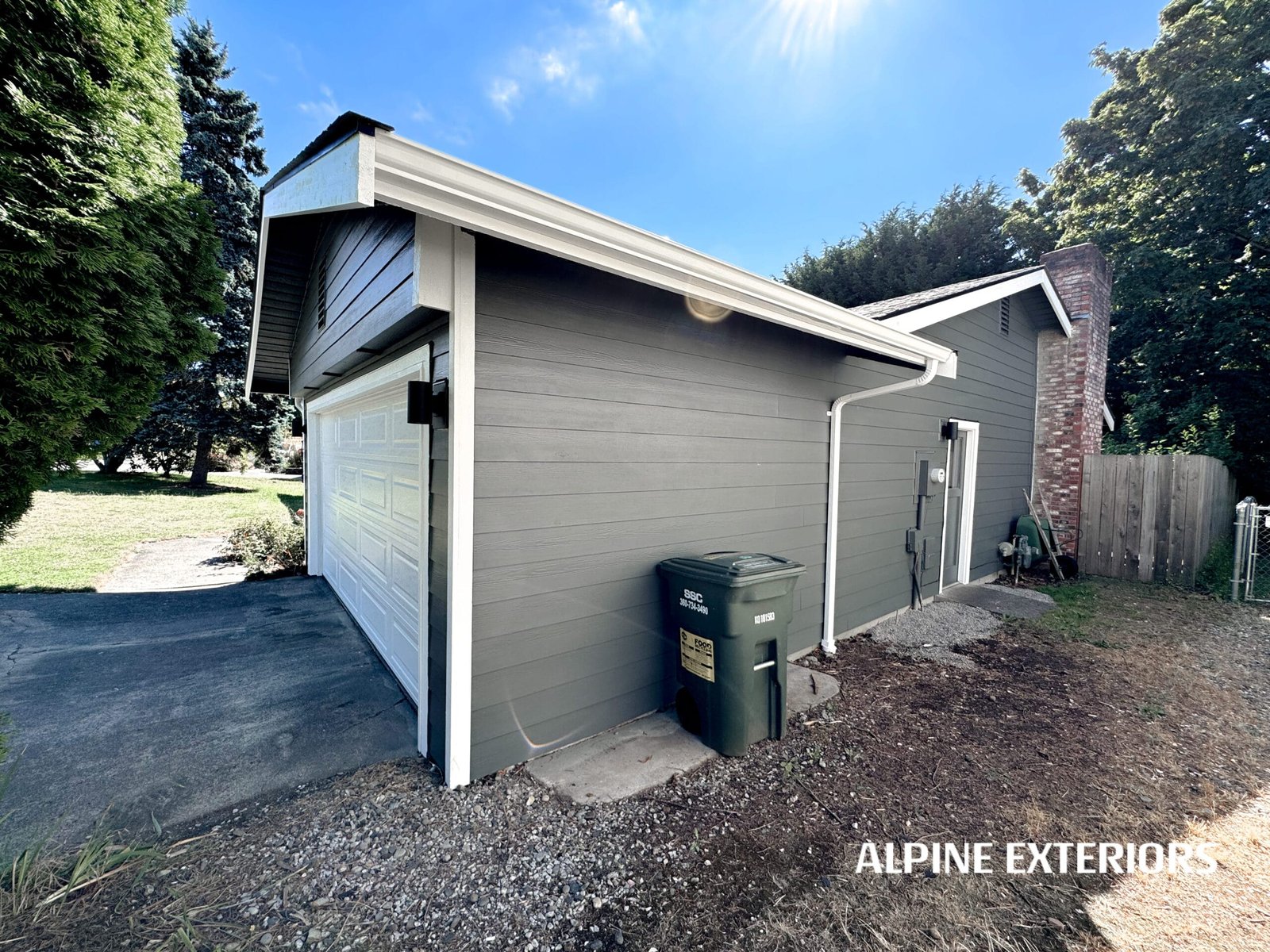
Clinton sits on the southern end of Whidbey Island, right along Saratoga Passage and Possession Sound, and that location shapes almost every part of this problem. A few things stack up here that don't apply the same way even a few miles inland:
Notably, this is not hurricane country, and none of the fixes below are about wind uplift ratings or storm shutters the way they might be in a coastal Gulf or Atlantic market. The stresses here are moisture, salt, shade and steady wind, not tropical storm systems.
Start with observation before spending money. Walk the attic (or have someone qualified do it) on a cold, dry morning and look for frost, dark water staining on the underside of the sheathing, or rusted nail tips. Outside, look at the roof after a hard rain: are north-facing or shaded slopes staying wet noticeably longer than sunny ones? Check gutters for granule buildup that suggests moss or algae washing off above.
From there, the fixes usually fall into a few categories, roughly in order of what tends to matter most:
Costs vary widely depending on attic size, roof pitch, and how much existing venting or flashing needs to be replaced versus corrected. As a rough range, clearing and correcting existing vents plus a skylight re-flash on an average single-story home often lands in the low thousands, while a fuller ventilation retrofit involving new soffit vents, baffles, and a ridge vent across a larger roof can run several thousand more. An honest attic inspection before any of that work starts is the only way to know which of these a specific house actually needs, and it's worth being skeptical of any bid that proposes a full re-roof before anyone has actually opened up the attic to look.
It's also worth being upfront about the limits here: sealing and ventilation work reduces condensation risk, it doesn't eliminate humidity in a marine climate entirely, and no amount of attic venting will compensate for a bathroom fan that isn't run or a dryer vent that's disconnected inside the attic. Some moisture management is an ongoing habit, not a one-time fix.
Not necessarily. Interior condensation on the glass or frame, especially on cold mornings, is usually humid indoor air meeting a cold surface, which points to ventilation or interior humidity rather than a failed seal. Water staining on the drywall around the skylight, or dampness that shows up during or right after rain rather than on cold clear mornings, is more likely an actual flashing or seal leak and worth a closer look.
Shade and moisture retention are the main drivers. A slope that faces north or sits under mature trees stays cooler and wetter longer after rain than a sunny, exposed slope on the same roof, and that extra dampness is exactly what moss needs to take hold. Trimming back overhanging branches and installing zinc or copper strips near the ridge on the affected slope usually does more long-term good than repeated cleaning alone.
Often both, and they need to work together rather than against each other. The Washington State Energy Code sets insulation targets for re-roofing and remodel work, but adding insulation without confirming there's enough balanced intake and exhaust airflow can trap more moisture against the roof deck than before, so any insulation upgrade in an older Clinton home should include a ventilation check as part of the same project.
Given the wind and salt air exposure common on south Whidbey Island, we'd suggest a visual check every couple of years and a closer inspection whenever the surrounding roofing is redone, rather than waiting for a visible leak. Flashing failures tend to start small, as minor staining or a slightly loose seal, well before they show up as an obvious drip inside the house.
Alpine Exteriors works on roofing, skylights, gutters and related exterior systems throughout Skagit, Island and Whatcom counties, including Clinton and the rest of south Whidbey Island, and we're licensed in Washington under ALPINI751OW. If you're seeing fogged skylights, damp attic sheathing, or moss that keeps coming back no matter how often it's cleaned, we can walk the attic and roof with you, explain what's actually driving it, and lay out a realistic, prioritized fix rather than a blanket re-roof recommendation. Reach out to Alpine Exteriors to schedule an assessment for your Clinton home.