
In Stanwood, replacing windows means meeting the Washington State Energy Code's U-factor and solar heat gain limits, choosing a frame that can stand up to wind off Port Susan and the Skagit flats, and pulling a permit before work starts on most full-frame jobs. For a typical single-family home, expect somewhere in the neighborhood of $700 to $1,600 per window installed, depending on size, frame material and whether it's an insert replacement or a full tear-out to the studs.
Washington adopted its own energy code that goes beyond the base International Energy Conservation Code, and it applies to replacement windows the same way it applies to new construction — not just to additions. Under the current Washington State Energy Code, residential vinyl and fiberglass replacement windows generally need to hit a U-factor of 0.30 or lower to meet the prescriptive path, with a solar heat gain coefficient (SHGC) requirement that varies by orientation and shading. U-factor measures how much heat escapes through the glass and frame — lower is better for a cold, wet climate like ours. Most manufacturers now build standard product lines that clear 0.30 without needing upgraded gas fills or triple glazing, but it's worth confirming the NFRC label on any quote before you sign, because older stock or budget lines sometimes fall short.
Frame material matters as much as the glass package. Vinyl is the most common choice in Stanwood because it's affordable, doesn't need painting, and handles our damp winters without rotting. The tradeoff is that vinyl expands and contracts more than other materials across our temperature swings, so a poor installation shows up as sticking sashes or air leaks within a few years — the frame itself rarely fails, but a rushed install will. Fiberglass costs more upfront but holds paint and its shape better over decades, which matters on homes closer to Camano Island and Port Susan Bay where salt-laden air accelerates wear on lesser materials. Aluminum-clad wood windows still show up on older farmhouses and homes near Cedarhome and Silvana that want a wood interior look; they perform well thermally but need the exterior cladding inspected periodically, especially where it meets the sill.
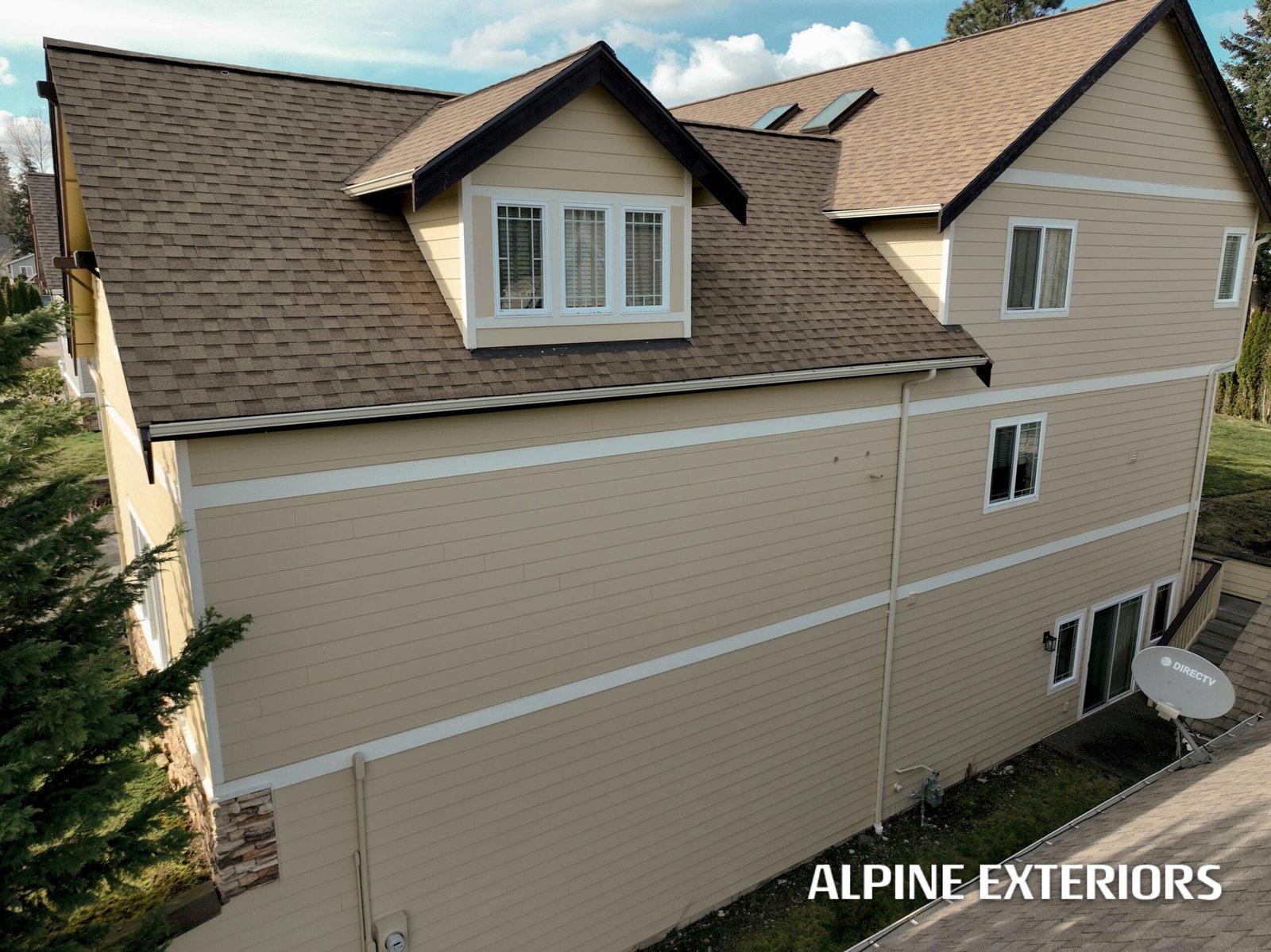
Full-frame replacement (removing the old window down to the rough opening, including exterior trim and flashing) costs more than an insert replacement (dropping a new sash unit into the existing frame) but it's the only way to fix rot, re-flash the opening correctly, or change window size. Insert replacements are faster and cheaper, and they're a reasonable choice when the existing frame and flashing are still sound — but on a lot of Stanwood homes built in the 1970s through 1990s, the original flashing details weren't built for the amount of wind-driven rain this area gets, and papering over a bad flashing detail with an insert window just locks the moisture problem in place.
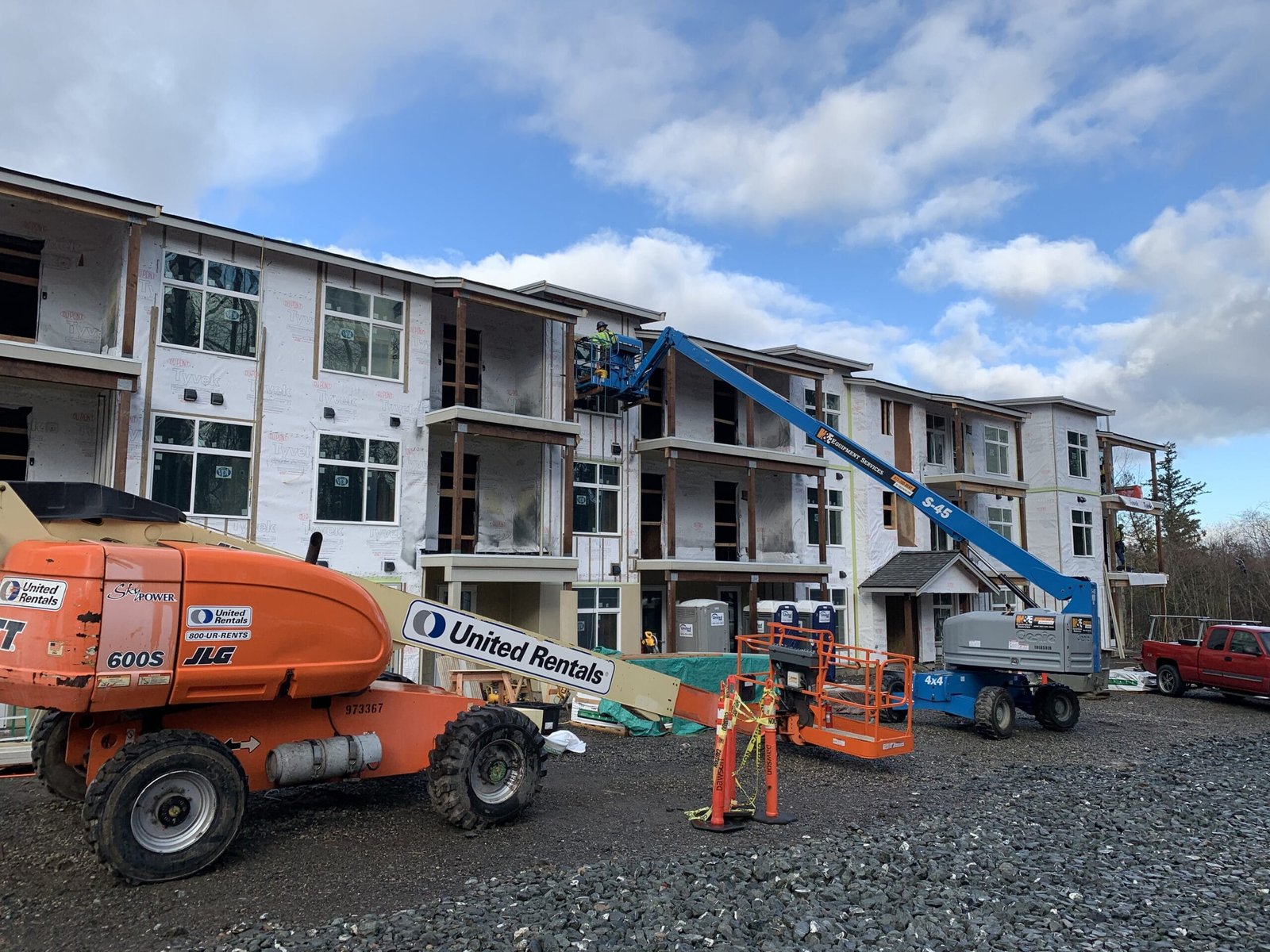
Stanwood sits at the south end of Alpine Exteriors' service area, close enough to the Skagit flats and Port Susan Bay that wind and moisture drive most of the decisions homeowners get wrong. This isn't hurricane country, so we're not talking about impact-rated glass or wind-borne debris requirements. What we do have is sustained wind funneling across open farmland and saltwater, paired with a genuinely wet winter season — the kind of steady, driving rain that finds every gap in flashing and caulk rather than a single dramatic storm event.
Three regional conditions show up again and again on window jobs here:
We don't see the ice and heavy snow loads that the Cascade foothills get on a regular basis, so window selection here isn't driven by snow load concerns the way it might be further east. It's a wet-and-windy climate, not a freeze-thaw one, and that should shape both the product and the installation detail your contractor uses.
Start by figuring out whether you're solving a comfort problem, an appearance problem, or a rot problem — the answer changes the scope. If sashes are foggy, drafty, or hard to open but the surrounding wall and trim are dry and solid, an insert replacement with a code-compliant U-factor is often enough. If you're seeing soft wood at the sill, staining below the window, or paint failure on the exterior trim, that's a sign water has been getting behind the window for a while, and a full-frame replacement with new flashing is the honest fix, even though it costs more.
Get quotes that specify the actual U-factor and SHGC of the proposed product, not just a brand and style name — a generic quote makes it hard to confirm energy code compliance later. In unincorporated Snohomish County (much of the Stanwood area outside city limits) or within the City of Stanwood itself, most full window replacements involving new openings, structural changes, or full-frame work require a building permit, and inspectors will check flashing and energy code compliance before final signoff. Straight insert replacements of the same size sometimes qualify for a simpler permit path, but that determination should come from the permitting office or your contractor, not a guess. Ask any contractor bidding the job whether they're pulling the permit themselves and who's responsible for scheduling inspections — that's a common gap where jobs stall.
On cost: a straightforward vinyl insert replacement on a standard-size window commonly lands in the $700–$1,100 range installed, while full-frame replacements with new flashing, trim work, and larger or specialty shapes can run $1,200–$1,600 or more per opening. Fiberglass and aluminum-clad wood windows generally add several hundred dollars per unit over vinyl. These are ranges, not quotes — actual pricing depends on window count, access, existing damage, and how much of the exterior trim needs to be rebuilt. Alpine Exteriors, WA contractor license ALPINI751OW, walks Stanwood homeowners through which of these situations applies to their home before writing a number, because guessing at scope from a phone call leads to change orders later.
In most cases involving full-frame replacement, resized openings, or structural changes, yes — either through the City of Stanwood or Snohomish County's permitting office depending on your address. Straight like-for-like insert replacements sometimes fall under a simpler process, but this should be confirmed with the permitting authority or your contractor before work starts, since skipping a required permit can complicate a home sale later.
Under the current Washington State Energy Code's prescriptive path, residential windows generally need a U-factor of 0.30 or lower, with solar heat gain coefficient limits that can vary by the window's orientation and how much shading the home has. Most standard vinyl and fiberglass product lines sold today meet this without an upgrade, but it's worth checking the NFRC label on the specific product quoted rather than assuming.
Both work here. Vinyl is more affordable and performs well in our climate, but salt-laden air near open water can wear on lower-grade hardware and components faster over time. Fiberglass costs more upfront and tends to hold up better long-term in that specific salt-air exposure, which is worth weighing if your home is within a mile or two of the water.
A single-day install is realistic for insert replacements on a modest number of windows. Full-frame replacements with flashing and trim rebuild take longer per opening, and a whole-house project can stretch across several days to a couple of weeks depending on window count, weather windows for exterior work, and how much rot repair turns up once the old units come out.
Every Stanwood home carries its own mix of sun, wind and moisture exposure, and the right window decision follows from that, not from a generic product recommendation. Alpine Exteriors serves Stanwood alongside Camano Island, Mount Vernon, Anacortes, Burlington, Sedro-Woolley, La Conner and Bellingham, and can walk your home's specific exposure, existing flashing condition, and energy code requirements before recommending insert versus full-frame replacement. Reach out to Alpine Exteriors for a no-pressure look at your windows and a written scope that spells out what's actually needed — not just a price per opening.