


For most Mount Vernon and Skagit County homes, replacing windows means matching or beating the U-factor and Solar Heat Gain Coefficient limits in the Washington State Energy Code, choosing a frame material that can shrug off eight months of wet weather a year, and pulling a permit through the City of Mount Vernon or Skagit County before the old windows come out. Budget a wide range depending on window count, frame material, and whether the openings need any repair, and expect the code and moisture details to matter more here than in most parts of the country.
Washington adopted an updated version of the Washington State Energy Code (WSEC) that sets performance targets for replacement windows in existing homes, not just new construction. In practice that means a U-factor requirement (how much heat the window lets escape) and an SHGC requirement (how much solar heat it lets in) that most off-the-shelf vinyl and fiberglass windows sold in this region are already built to meet, because manufacturers who sell into western Washington design for the same climate zone Skagit County sits in. The number that matters is printed on the National Fenestration Rating Council (NFRC) label that ships with every code-compliant window — that label, not a sales brochure, is what a building inspector or energy code reviewer will actually check.
Frame material is the next real decision, and each option trades off differently in this climate:
Glass packages matter as much as frame material. Double-pane, low-E, argon-filled glass is the practical standard for meeting WSEC targets on a typical Skagit County home. Triple-pane glass pushes performance further and can be worth it on north-facing walls or homes right off the water, but it adds weight, cost, and sometimes requires a slightly deeper frame — not every wall assembly wants that without some carpentry.
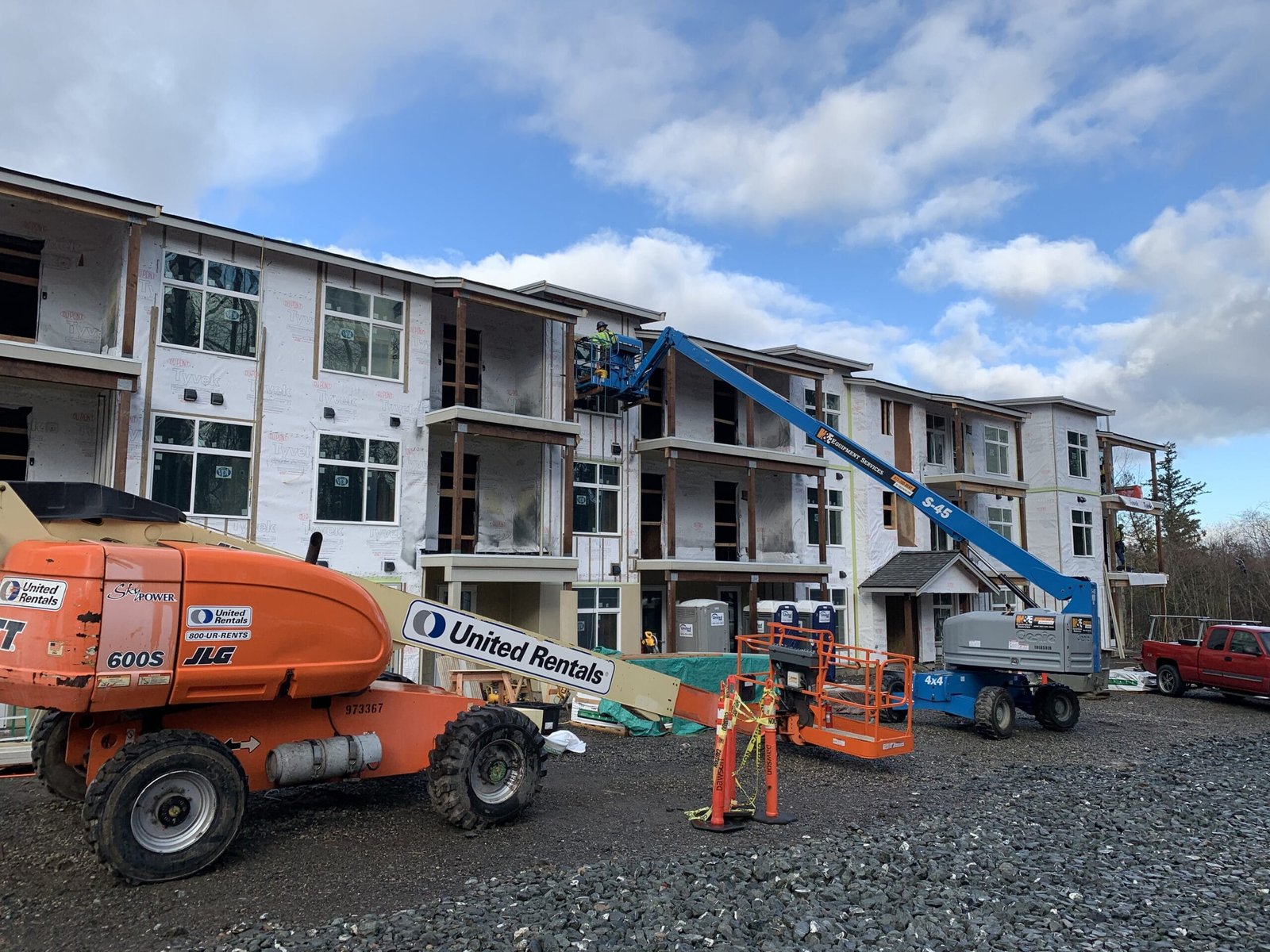
Skagit County's climate does specific things to windows that a generic national guide won't cover. Winters bring long stretches of steady rain rather than dramatic storms, and that sustained moisture is what causes problems around window openings that aren't flashed and sealed correctly — not any single event, but months of water finding the same weak spot over and over. On homes in Mount Vernon, Burlington, and Sedro-Woolley with mature trees or north-facing walls, that same damp air is also what feeds moss and algae growth on siding and trim around window openings, which is worth checking and cleaning before new windows go in so the fresh caulking isn't sealing against a dirty, biologically active surface.
Wind is a separate consideration from moisture. The Skagit flats and the open farmland around La Conner and Conway see sustained wind that a house tucked into trees in Sedro-Woolley doesn't experience the same way, and homes on Camano Island or facing the Strait of Juan de Fuca get direct exposure plus salt-laden air. Salt air accelerates corrosion on hardware, screens, and any exposed metal fasteners, so window hardware finish and fastener choice matter more on island and waterfront properties than they do a few miles inland in Burlington.
Snow and ice are occasional rather than routine in this part of Skagit County, but the foothill areas east of Sedro-Woolley and higher elevations do see periodic freeze events. Windows installed with proper flashing and insulation handle that fine; the risk isn't the cold itself — it's a window that was already leaking air or moisture before the cold snap, which then shows the problem more sharply. A well-installed, code-compliant window doesn't need special treatment for the occasional freeze; it needs to have been installed correctly the first time.
Start by counting how many windows genuinely need replacement versus how many just need new weatherstripping, hardware, or a re-caulk. Full replacement makes sense once seals have failed, glass has fogged between panes, frames have started to rot or corrode, or the home's overall efficiency and comfort are the goal. Partial fixes make sense for isolated problem windows on an otherwise sound house.
Next, confirm the permit path before signing a contract. In the City of Mount Vernon, window replacement typically requires a building permit when the work changes the size of an opening, alters a load-bearing wall, or is part of a larger remodel; straightforward like-for-like replacements in existing openings sometimes fall under a simpler review, but that determination should come from the city's permit desk or building department, not from assumption. Unincorporated areas of Skagit County — much of the land around Burlington, Sedro-Woolley, and La Conner — go through Skagit County Community Development instead of the city. A licensed contractor who pulls permits regularly in both jurisdictions will know which path applies before work starts, which avoids a stop-work order mid-project.
On cost, expect a real range rather than a single number. Vinyl double-pane replacement windows in a standard opening tend to run toward the lower end of the market on a per-window basis, often somewhere in the neighborhood of $500 to $900 installed; fiberglass and wood-clad options commonly run $900 to $1,600 or more per window; triple-pane glass, custom shapes, larger openings, and any structural repair around a rotted sill or header add cost on top of those figures. These are rough regional ballpark ranges, not a quote — getting two or three written estimates that each itemize frame material, glass package, and labor separately makes it possible to compare apples to apples instead of guessing at what's included.
Finally, ask any contractor bidding the job — including Alpine Exteriors — to show the NFRC label or spec sheet for the exact window model being quoted, not just a general claim that it's "code compliant." That label is the fastest way to confirm the U-factor and SHGC actually meet the current Washington State Energy Code requirement for the home's climate zone before money changes hands.
Often yes, especially if the opening size changes, a header or load-bearing wall is affected, or the replacement is part of a larger remodel. Straightforward same-size replacements sometimes qualify for simplified review, but the only way to know for certain is to check with the City of Mount Vernon building department or, for unincorporated areas near Burlington, Sedro-Woolley, and La Conner, Skagit County Community Development before work begins.
The Washington State Energy Code sets a maximum U-factor and SHGC for the climate zone that covers Skagit, Island, and Whatcom counties, and the specific number is printed on the NFRC label attached to the window itself. Most double-pane, low-E, argon-filled vinyl and fiberglass windows sold through regional suppliers are manufactured to meet that target already, but it's worth confirming the label on the exact model being installed rather than assuming.
Both hold up structurally in this climate, but salt air off the Strait and Puget Sound accelerates wear on exposed hardware and fasteners more than it affects the frame material itself. Fiberglass tends to be more dimensionally stable over time and holds paint better if a specific trim color matters, while vinyl is the more budget-friendly option and performs well as long as hardware and screens are a marine-grade or corrosion-resistant spec.
The spread usually comes down to frame material, glass package (double-pane versus triple-pane, and whether it's argon-filled low-E glass), whether any sill or framing repair is needed around the opening, and how the labor and disposal of old windows are scoped. Two bids that both say "vinyl replacement window" can still price very differently once those details are itemized, which is why asking for a line-by-line estimate is worth the extra step.
Alpine Exteriors serves Mount Vernon, Anacortes, Burlington, Sedro-Woolley, La Conner, Stanwood, Camano Island, and Bellingham, and handles roofing, windows, decks, and gutters under Washington contractor license ALPINI751OW. If drafts, fogged glass, or a stuck-closed window have you weighing repair against full replacement, Alpine Exteriors can walk the property, point out what the Washington State Energy Code actually requires for the home, and put together a written estimate that breaks out frame material, glass package, and labor so there's nothing vague to decode later.



