Home Exterior Inspection Checklist for Mount Vernon, Skagit County
Updated August 2026 · Alpine Exteriors · WA contractor license ALPINI751OW
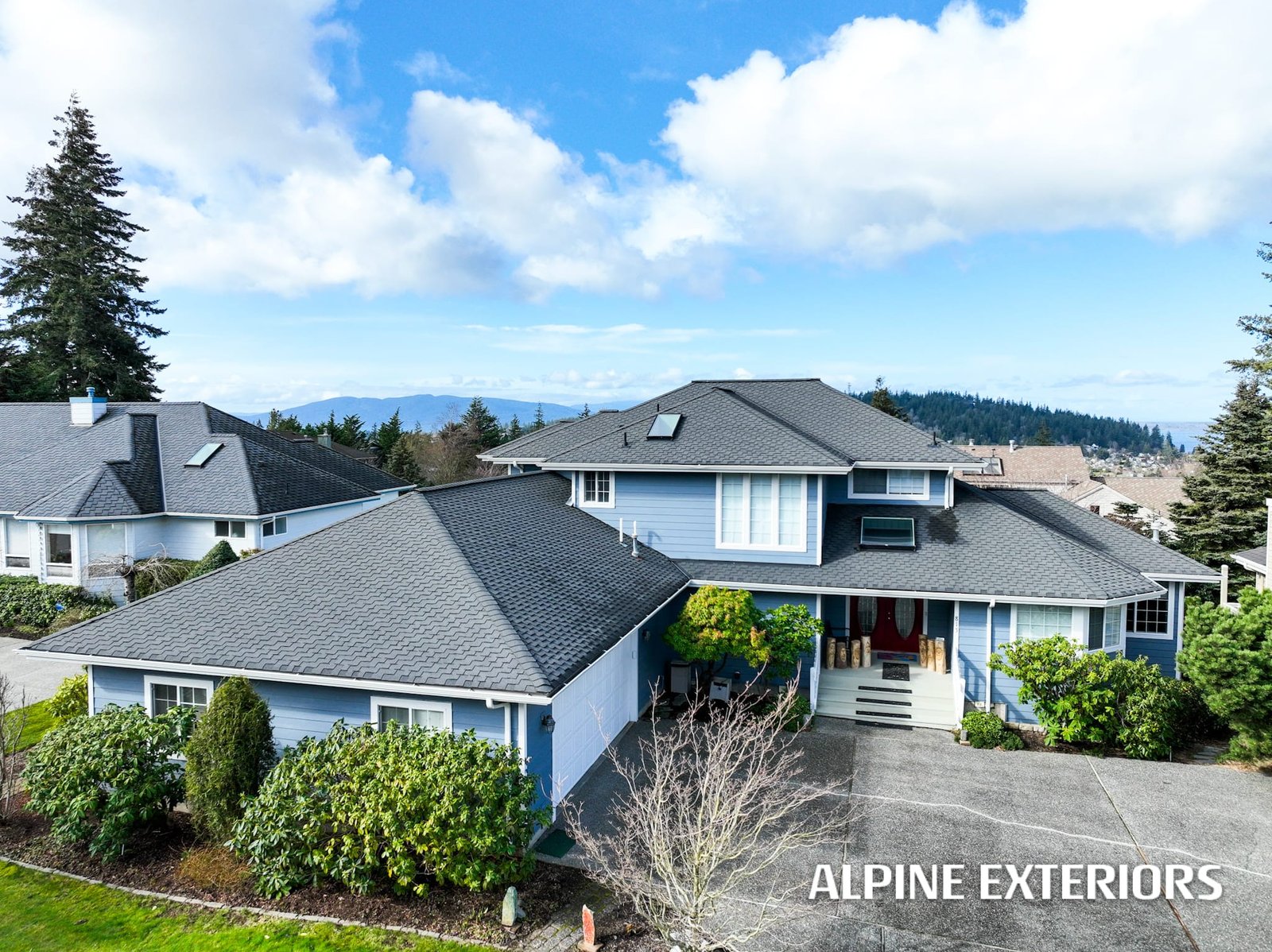
If you own a home in Mount Vernon, Burlington, Sedro-Woolley, La Conner, Anacortes, Stanwood, Camano Island or Bellingham, your house spends most of the year fighting moisture. This checklist is built for that reality. Walk it in early fall, before the heavy winter rain arrives, and again in spring after the wettest months have passed. None of it requires special tools beyond a ladder, a flashlight and a notepad — the goal is to catch small problems while they're still cheap to fix.
Why This Checklist Matters in This Region
Skagit County's exterior wear pattern is different from a lot of the country, and it's worth understanding why before you start poking at your own house. We don't get hurricanes or hail the size of golf balls. What we get instead is duration: long stretches of steady rain from November through February, punctuated by windstorms that come off the open Skagit flats or funnel down the Strait of Juan de Fuca. That combination of sustained moisture and periodic wind load is what actually damages roofs, siding and decks here.
A few regional specifics worth keeping in mind as you go through the list:
- Moss and shade. Homes tucked under fir and cedar canopy — common in Mount Vernon's older neighborhoods and along the Sedro-Woolley foothills — stay damp longer after every rain, which is exactly what moss and algae need to establish on roofing and north-facing siding.
- Open-field wind. The flat farmland around Mount Vernon and Burlington doesn't block wind the way a forested lot does, so gusts hit roof edges and fascia harder than you'd expect for a storm that never makes the news.
- Salt air on the islands. Camano Island and Anacortes homes near the water deal with salt-laden air that speeds up corrosion on fasteners, flashing and gutter hardware faster than the same materials would wear inland.
- Occasional ice and snow in the foothills. Areas east toward Sedro-Woolley and the Cascade foothills see the odd hard freeze or snow event that inland valley homes rarely plan for, which can stress gutters and trim that are otherwise fine in a normal wet winter.
- Washington State Energy Code. Newer windows, doors and insulation in this region are specified to meet current Washington State Energy Code requirements, which matters both for comfort and for what you can expect if you're replacing anything rather than just repairing it.
None of this means your house is fragile — it means the maintenance rhythm here is different from a dry-climate house, and a checklist built for Arizona or Texas will have you looking for the wrong things.
The Checklist
Roof
- Moss or algae streaking, especially on north- and east-facing slopes — shaded roof sections dry slowest after our winter rains, and moss roots can lift shingle edges over time.
- Missing, cracked, or curling shingles or shakes — a single lifted shingle is a direct path for wind-driven rain to reach the underlayment.
- Rusted or lifted flashing around chimneys, skylights and roof-to-wall joints — these transitions are the most common source of slow leaks that show up as ceiling stains months later.
- Sagging ridgelines or soft spots visible from the ground — can indicate long-term moisture intrusion into the roof deck itself.
- Nail pops or exposed fasteners — exposed metal corrodes faster in our humid winters and creates small entry points for water.
Gutters & Downspouts
- Debris buildup, especially needles and cedar litter — clogged gutters overflow directly onto fascia and siding during heavy rain events, which are frequent here from November through February.
- Sagging sections or pulled-away hangers — standing water in a sagging gutter adds weight and accelerates rust, particularly on older galvanized systems.
- Downspouts that dump water against the foundation instead of away from it — a major contributor to crawlspace moisture in flatter Skagit Valley lots.
- Visible rust or pitting on gutter hardware, especially on Camano Island or Anacortes properties near saltwater — salt air accelerates corrosion on fasteners and end caps faster than the gutter body itself.
Siding & Trim
- Peeling paint, soft or spongy spots when pressed — often the first visible sign of moisture trapped behind the siding.
- Gaps or separation at seams, corners and around window trim — wind off the flats can drive rain sideways into even small gaps.
- Dark streaking or green film, particularly on shaded walls — same moss/algae mechanism as the roof, just on a vertical surface.
- Cracked or missing caulking around penetrations (hose bibs, vents, electrical) — small, cheap to fix, but a real leak point if ignored through a wet winter.
Windows & Doors
- Fogging or condensation between double-pane glass — indicates a failed seal; it won't cause structural damage but it does mean lost insulating value.
- Soft wood or paint failure at sills and bottom corners — these areas collect standing water during long rain events and rot first.
- Drafts or visible daylight around frames — worth checking against current window performance expectations under the Washington State Energy Code if you're weighing repair versus replacement.
- Difficulty opening/closing or a door that's swollen shut in winter — often moisture-related frame swelling rather than a hardware problem.
Decks & Outdoor Structures
- Soft or spongy deck boards, especially near ledger boards attached to the house — the ledger connection is a known weak point where water collects against the home's rim joist.
- Rust streaking from fasteners or hardware — a sign that fastener coatings are failing, which matters more on exposed island and waterfront decks.
- Loose or wobbly railings and stair stringers — a safety issue as much as a moisture one, and one that shows up faster after a hard winter.
- Gaps opening up between boards or at posts — normal wood movement, but worth monitoring if it's accelerating year over year.
Foundation & Drainage
- Standing water near the foundation after rain — common on flatter Skagit Valley lots and a leading cause of crawlspace moisture problems.
- Efflorescence (white mineral staining) on foundation walls — a visible sign that water is moving through the concrete.
- Grading that slopes toward the house rather than away — often develops gradually as soil settles and is easy to miss without a deliberate check.
What to Do if an Item Fails
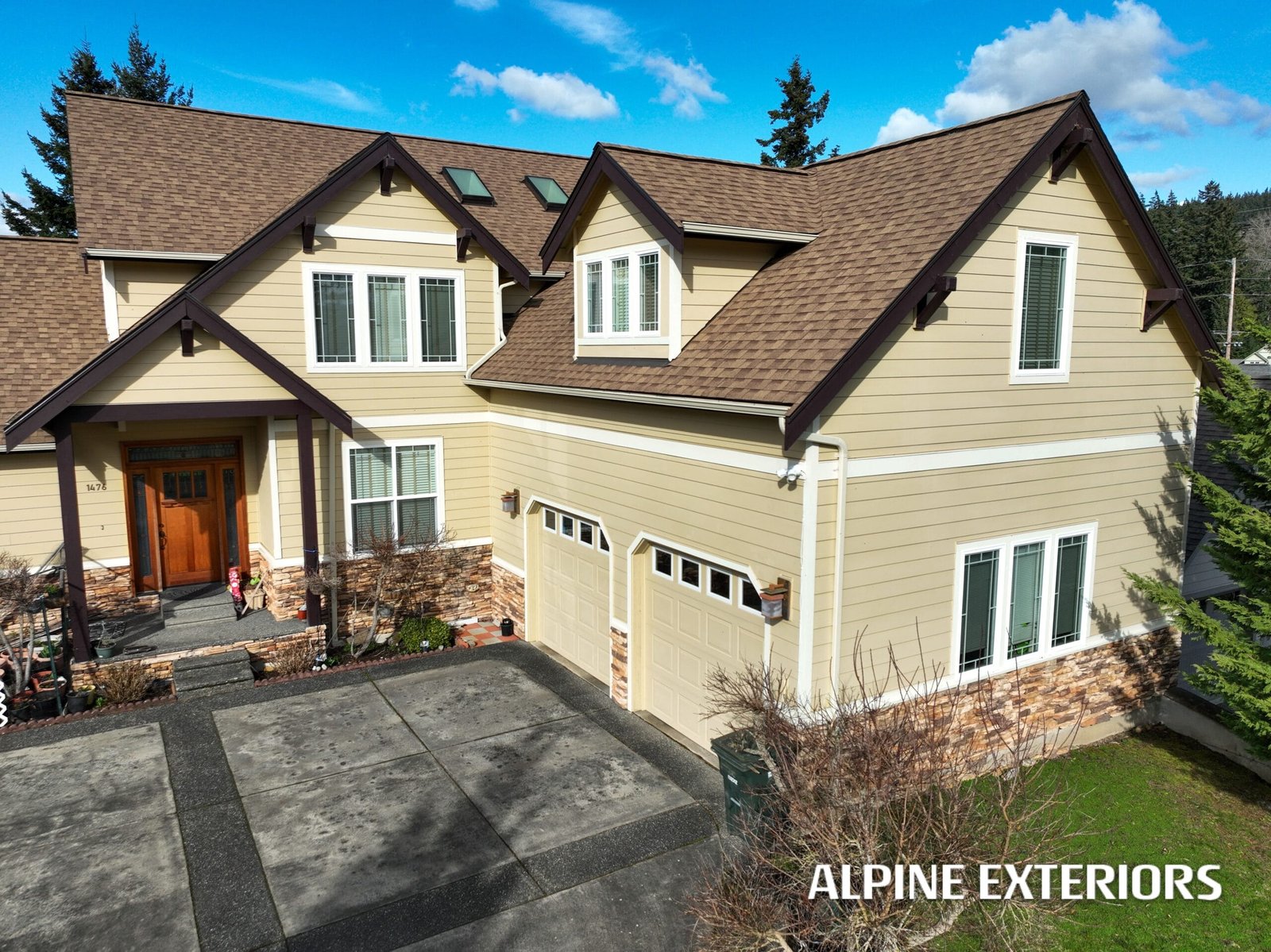
Not every item on this list means an emergency call. A single loose gutter hanger, a bit of surface moss, or peeling paint on a sunny wall are normal wear and can usually wait for a scheduled repair rather than a rush visit. Take a photo, note the date, and keep an eye on whether it's getting worse over the next rainy stretch.
Some findings deserve faster action. Soft or spongy wood anywhere — deck boards, window sills, roof decking you can see from the attic — means moisture has already gotten past the surface, and waiting through another wet season generally makes the repair bigger and more expensive, not smaller. Active leaks, sagging rooflines, or standing water pooling against the foundation fall into the same category: address them before the next heavy rain event rather than after.
A practical middle path for a lot of items on this list is triage: clear the gutters and reseal obvious gaps yourself if you're comfortable on a ladder, then flag anything structural — soft decking, roof sag, foundation moisture — for a closer look by someone who does this for a living. Trying to patch a real structural issue with caulk or roof cement is a common way homeowners turn a moderate repair into a full replacement a year or two later.
When to Call a Professional
Bring in a licensed contractor when you find anything involving the roof deck, structural framing, or electrical near water intrusion — these aren't safe or reliable to diagnose from the ground or from photos. The same goes for anything on a steep roof pitch or a second-story exterior wall; a fall risk isn't worth saving a service call. It's also worth getting a professional opinion before any window or siding replacement, since matching current products to the Washington State Energy Code's insulation and window performance requirements is easier to get right the first time than to correct later.
Alpine Exteriors serves Skagit, Island and Whatcom counties — Mount Vernon, Anacortes, Burlington, Sedro-Woolley, La Conner, Stanwood, Camano Island and Bellingham — and holds Washington contractor license ALPINI751OW. If an item on this checklist has you unsure whether it's cosmetic or structural, a second set of eyes from Alpine Exteriors costs a lot less than guessing wrong.
FAQ
How often should I do a full exterior inspection in Skagit County?
Twice a year covers most homes here: once in early fall before the heavy rain season sets in, and once in spring after it's passed, so you can see what actually held up. Homes under heavy tree cover or right on the water in Anacortes or Camano Island may benefit from an extra midwinter gutter check, since debris and moss build up faster in those spots.
Is roof moss actually a problem, or just cosmetic?
It starts as cosmetic but doesn't stay that way. Moss holds moisture directly against the roofing material far longer than the surrounding area dries, and over a few seasons that can lift shingle edges and let water underneath. It's worth removing before it gets thick, using methods appropriate to your roofing material rather than aggressive pressure washing, which can do its own damage.
Do I need impact-rated windows or hurricane straps for this area?
No — those products are built for hurricane-prone regions and aren't part of typical construction requirements here. What matters locally is window performance under the Washington State Energy Code and solid wind-resistant installation for the gusts that do come through off the flats and the Strait, which is a different set of specifications entirely.
What's the biggest exterior mistake you see homeowners make in this region?
Ignoring gutters longer than they should. It's a low-drama maintenance item, so it's easy to push down the list, but a clogged or misaligned gutter system during our wet season sends water exactly where you don't want it — against fascia, siding and foundations — for months at a stretch. It's also one of the cheapest problems on this whole checklist to prevent.
Get a Second Opinion From Alpine Exteriors
If this checklist turned up something you're not sure about — a soft spot on the deck, moss creeping across a shaded roof slope, or a window that's started sweating between the panes — Alpine Exteriors can take a closer look. We work throughout Skagit, Island and Whatcom counties, from Mount Vernon and Burlington out to La Conner, Stanwood, Camano Island and Bellingham, under Washington contractor license ALPINI751OW. Reach out for an inspection before the next round of winter rain, not after.
Want a straight answer for your home? Alpine Exteriors gives free on-site assessments across Mount Vernon, Anacortes, Burlington, Sedro-Woolley, La Conner, Stanwood, Camano Island and Bellingham.
Call (855) 743-4649 or
request an estimate.





