

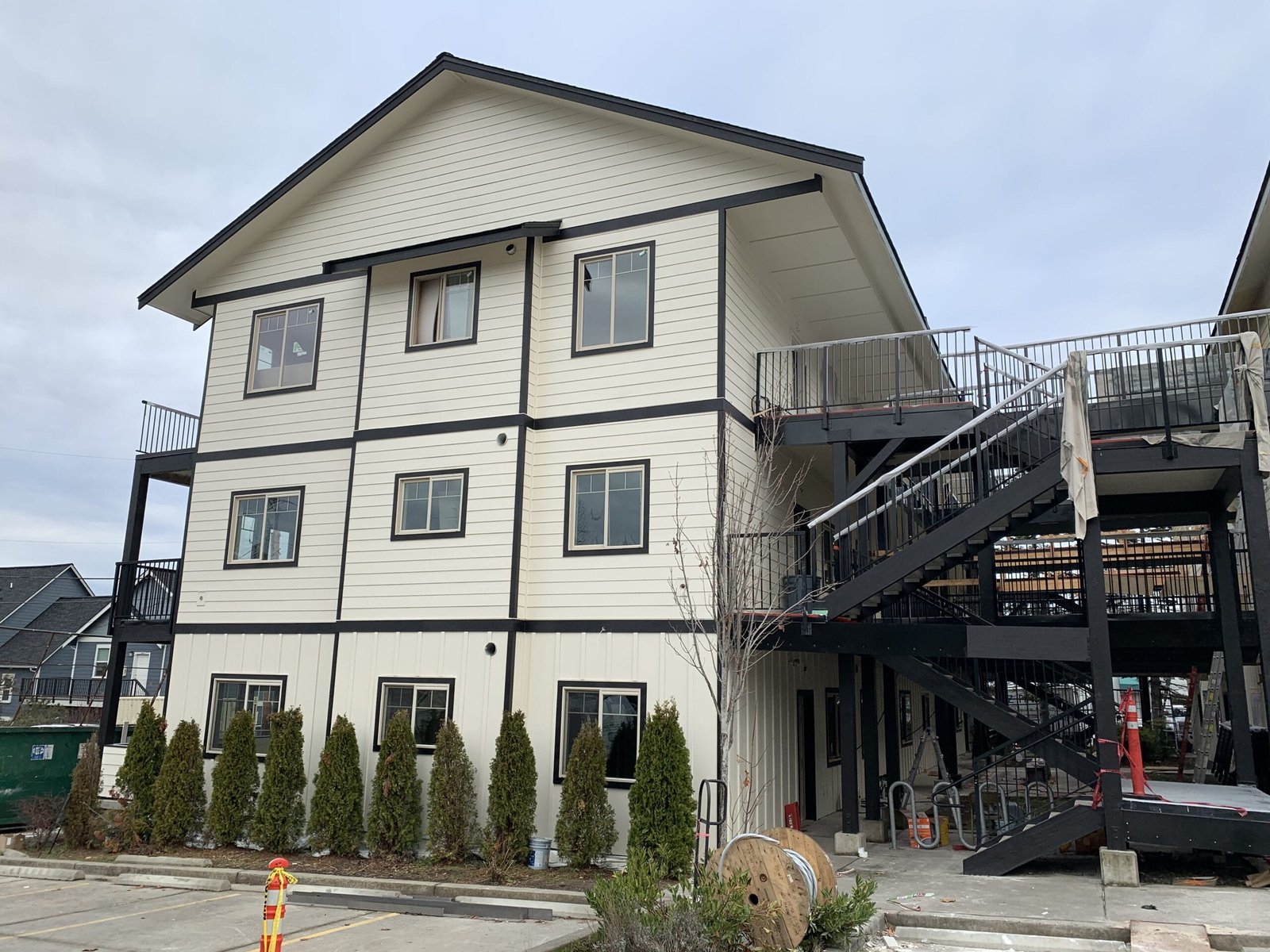
If you live in Conway, your roofing permit does not come from a city hall — Conway is unincorporated, so Skagit County Planning and Development Services (PDS) is the office that issues building permits and performs inspections for your address. Most full roof replacements, structural roof repairs, and any work that changes the roof's framing, load, or covering type need a permit before a crew starts tearing off shingles; small, cosmetic patch jobs on a small area sometimes don't, but that determination is made by the county, not by guesswork.
Skagit County administers building permits under the Washington State Building Code, which is the state's adopted version of the International Residential Code (IRC) for single-family homes and the International Building Code (IBC) for larger or commercial structures, along with Washington-specific amendments. When a roofing contractor pulls a permit in Conway, that permit ties the job to these adopted codes: how many layers of roofing material can be left in place before a full tear-off is required, what underlayment and ice/water-barrier protection is expected in valleys and at eaves, how ventilation and insulation at the roof deck have to perform under the Washington State Energy Code, and what wind-uplift resistance the new roof covering needs to meet for its rating.
In practice, this means a permit application for a Conway re-roof typically needs to identify the scope of work (tear-off versus overlay), the new roofing material and its wind and fire rating, the square footage, and sometimes a simple roof plan showing slope and any structural changes such as new skylights, dormers, or a change in roof pitch. If the work involves removing and replacing roof sheathing, adding a room under the roofline, or altering trusses or rafters, the county will usually want more than a one-page application — expect to submit basic structural information, and in some cases a licensed design professional's stamp, depending on the scope.
Permit review timelines vary with the county's workload and the completeness of the application. A straightforward like-for-like re-roof on an existing single-family home generally moves faster through review than a project that changes the roof structure, adds dormers, or affects an accessory structure near a wetland or floodplain boundary — all of which are realistic considerations for properties around Conway.
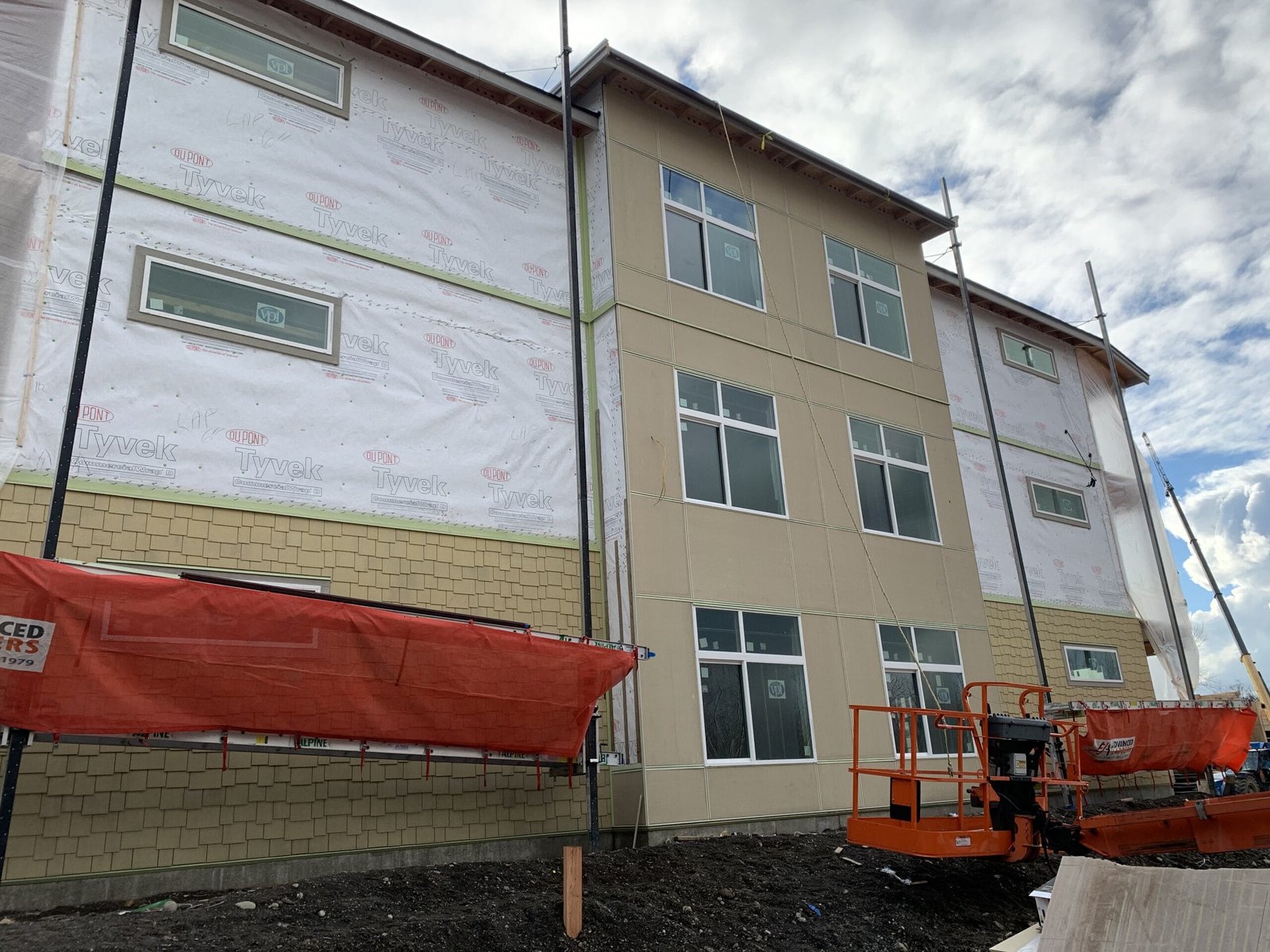
Conway sits low, near the Skagit River delta and close to where the river's floodplain and the surrounding farmland meet. That geography matters for two reasons that don't come up the same way in, say, Bellingham or Mount Vernon's higher ground. First, a meaningful number of parcels around Conway fall inside a mapped FEMA flood zone or a county-designated floodplain overlay, and Skagit County's floodplain regulations can affect what's allowed for additions, accessory structures, and sometimes significant roof-line changes on a home in that zone — it's worth asking PDS directly whether your parcel carries a flood-zone designation before you plan anything beyond a straightforward re-roof. Second, homes in and around Conway catch a real amount of open wind off the Skagit flats — the flat, largely unobstructed farmland between the river and I-5 funnels wind in a way that more sheltered, wooded lots elsewhere in the county don't experience as consistently. That wind exposure is a legitimate factor in choosing shingle wind ratings, nail patterns, and edge-metal detailing, and it's part of why a permit reviewer may look closely at fastening schedules on an open, exposed roof plane.
Rain is the other constant. Western Skagit County gets a long, wet winter season, and Conway's flat, low terrain means water doesn't drain off a property as fast as it does on a hillside lot. That reality shows up on the roof itself: valleys, low-slope sections, and any roof plane that's shaded by mature trees or sits close to the river tend to hold moisture longer, which is exactly the condition that lets moss and algae establish themselves. A roof that looks fine from the driveway can have moss working into the granule layer on a north-facing or tree-shaded slope, and left alone that moss holds water against the shingle and shortens its life. None of this changes who issues the permit, but it does change what a competent roofer specifies underneath the new roofing — proper underlayment, ice-and-water-shield coverage in valleys and at eaves, and attention to ventilation so moisture isn't also building up from the attic side, which is a Washington State Energy Code consideration as much as a roofing one.
One thing that doesn't apply here and is worth saying plainly: this isn't hurricane country, and roofing decisions in Conway aren't driven by hurricane wind-load provisions or coastal wind-borne-debris requirements the way they would be in a Gulf Coast or Atlantic Coast jurisdiction. The wind and moisture concerns around Conway are real, but they're a Pacific Northwest wind-and-rain problem, not a hurricane problem, and it's worth being skeptical of any contractor who tries to sell you hurricane-grade roofing systems as if that were the relevant standard here.
Start by calling or checking with Skagit County Planning and Development Services directly, or by asking your roofing contractor to confirm before signing anything, whether your specific project needs a permit and whether your Conway parcel carries a floodplain designation. Don't assume either answer based on what a neighbor's project needed — floodplain boundaries and permit thresholds are parcel-specific and can differ from one property to the next even within the same small community.
Alpine Exteriors works throughout Skagit, Island, and Whatcom counties, including Conway, Mount Vernon, Burlington, and La Conner, and pulls the appropriate Skagit County permits as part of a roof replacement rather than leaving that step to the homeowner. Being upfront about permit requirements before work starts avoids the more expensive problem of an unpermitted roof surfacing during a home sale or insurance claim.
Because Conway is unincorporated, permits come from Skagit County Planning and Development Services rather than a city building department. That's true even though Conway has its own local identity and postal address — for permitting purposes, it falls under county jurisdiction, and PDS is the office that reviews the application and schedules inspections.
In most cases, yes — a full re-roof, including a tear-off and replacement of the roofing material, is the kind of project that Skagit County expects a permit for, since it involves work governed by the Washington State Building Code and often affects underlayment, flashing, and sometimes ventilation. Very small, localized repairs may fall under a threshold that doesn't require a permit, but that threshold is set by the county, and it's worth confirming your specific project rather than assuming a repair is exempt.
It can, if your parcel falls within a mapped FEMA flood zone or a county floodplain overlay — those designations mainly affect additions, accessory structures, and significant structural changes rather than a simple like-for-like re-roof, but it's worth checking with PDS before assuming your project is a straightforward case. A contractor familiar with Conway-area permitting will usually ask this question before finalizing a scope of work.
A typical roofing permit involves at least one inspection before the roof is fully covered — checking underlayment, flashing, and fastening — and a final inspection once the job is complete, though the exact inspection sequence depends on the scope of work and what the county requires for your project. Skipping or bypassing a scheduled inspection can create problems later, including complications when the home is sold or when an insurance claim depends on documented, permitted work.
Whether you're dealing with moss on a shade-covered slope, planning a full tear-off before another wet winter sets in, or just trying to figure out whether your project needs a Skagit County permit at all, Alpine Exteriors can walk through the scope with you and handle the permitting and inspection process directly. Alpine Exteriors holds Washington contractor license ALPINI751OW and works across Skagit, Island, and Whatcom counties, including Conway, Mount Vernon, Anacortes, and Burlington — reach out for a straightforward assessment of what your roof actually needs and what the permit process will look like for your specific property.



