
La Conner sits low along the Swinomish Channel, tucked between tidal flats and farmland, which means roofs here take a specific kind of beating: long stretches of soaking winter rain, salt-tinged air pulled in off the channel and the Strait, and moss that takes hold fast on the north-facing slopes shaded by big maples and firs along the older streets. A roof replacement in this part of Skagit County is rarely a one-day event, and homeowners who go in with a clear picture of the sequence tend to have a much smoother experience than those who expect it to wrap up over a weekend.
For a typical single-family home with an asphalt composition roof, tear-off and installation itself usually takes one to three working days once material is on site and weather cooperates. Steeper pitches, multiple roof planes, dormers, or a switch to metal or cedar shakes can stretch that to four or five days. What most homeowners underestimate is everything around the actual roofing work — permitting, material ordering, and weather windows can add two to six weeks between signing a contract and the crew showing up with a dumpster and a load of shingles. Skagit County's wet season, roughly October through April, adds scheduling pressure because contractors are chasing dry windows between storm systems, and a job that would take three days in July can stretch to five or six if rain forces a midweek pause with the roof deck tarped overnight.
Most roof replacements in unincorporated Skagit County and within La Conner town limits require a building permit, particularly when the work goes beyond a simple layover and includes tearing down to the deck, which is standard practice for a full replacement. Alpine Exteriors pulls the permit as part of the contracted scope on most jobs, but homeowners should confirm this in writing before signing, since permit responsibility varies contractor to contractor. The permit review confirms the roofing assembly meets the Washington State Energy Code and current building code requirements for underlayment, ventilation, and ice barrier protection in areas prone to ice damming — a real consideration for homes tucked against the foothills east of Sedro-Woolley, less so for the flatter ground right around La Conner itself.
If the property sits within a homeowners association — some of the newer developments near the marina and along the channel do — check the covenants for roofing material and color restrictions before ordering. HOA approval can add a week or two if a design review committee only meets monthly. On historic homes near the downtown core, where La Conner's character as a historic waterfront town matters to the town's planning department, there can be additional review for visible roofing changes; it's worth a call to the town office early rather than discovering a restriction after material has been ordered.
Material lead times are the other variable that catches people off guard. Standard three-tab and architectural asphalt shingles in common colors are often available within a week or two from regional distributors. Specialty products — standing seam metal in a custom color, cedar shakes, or synthetic slate — can run four to eight weeks depending on the manufacturer and the season. Spring and early summer are the busiest ordering periods for the whole region, so anyone planning a fall project benefits from locking in materials well before the rain returns.
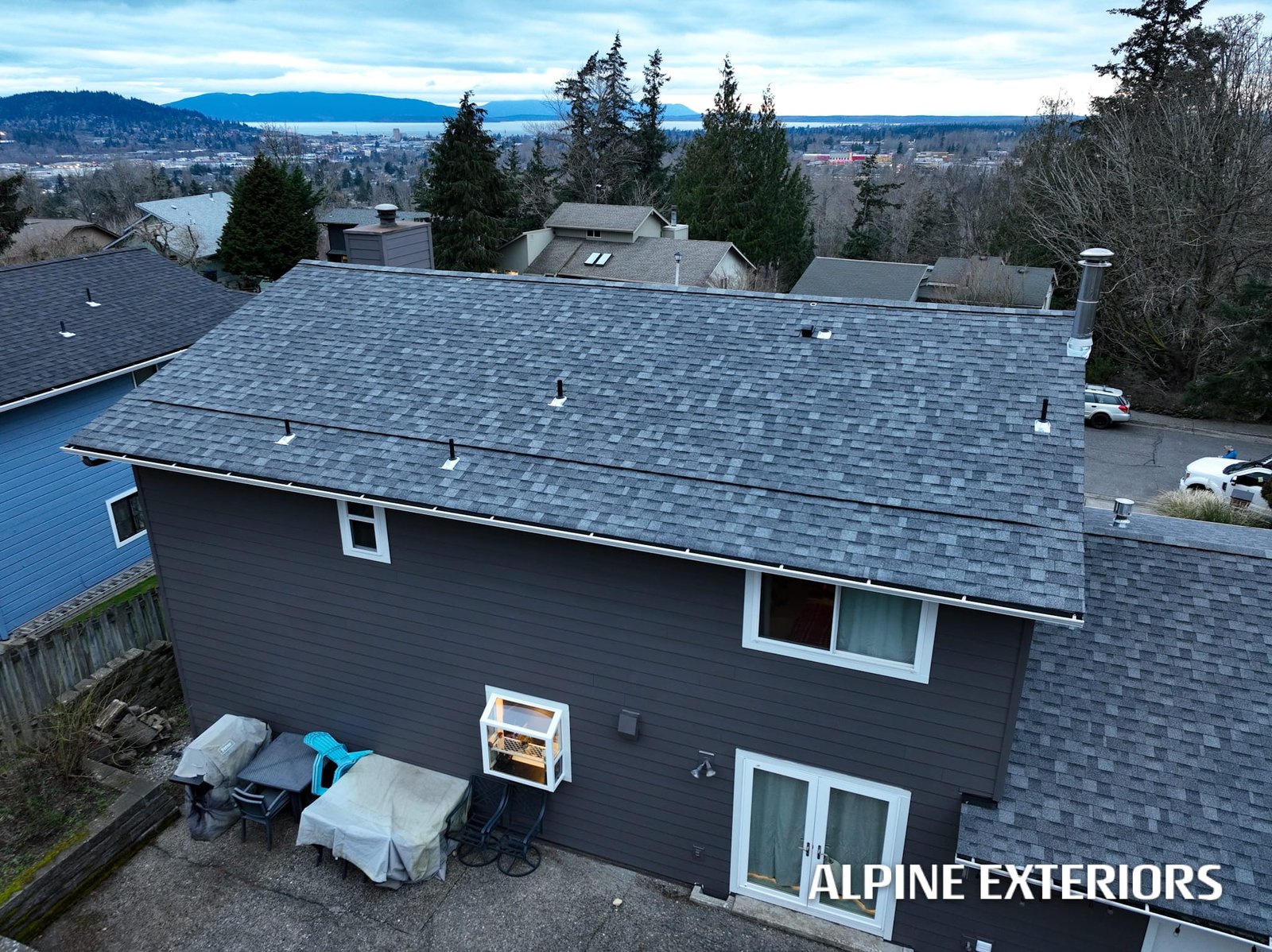
A roof replacement follows a fairly consistent sequence, even though the pace and crew size shift depending on the home's size and complexity.
A few days of preparation on the homeowner's end makes the job go faster and protects belongings. Vehicles should be moved out of the driveway and away from the immediate work zone, since ladders, the dumpster, and material staging take up significant space. Outdoor furniture, potted plants, and anything breakable near the foundation should be moved away from the drip line, since falling debris during tear-off is unavoidable even with tarps in place. Inside the house, it's worth taking pictures off walls in the attic or top floor and securing anything fragile in cabinets, because roofing work causes real vibration through the framing. Pets do best kept indoors or offsite during tear-off — the noise and unfamiliar crew presence stresses most animals, and an open gate during material staging is an easy way for a dog to get loose. If there's a home office or anyone working from home during the project, plan for a few days of significant noise, particularly during tear-off and nail-gun installation.
Once the roof is installed, most permits require a final inspection by the county or town building department before the job is officially closed out. Alpine Exteriors schedules this inspection as part of the project and walks the homeowner through what the inspector is checking — proper nailing pattern, flashing details, ventilation, and code compliance for the underlayment system. Separately from the government inspection, the crew lead does a walkthrough with the homeowner, pointing out completed flashing details, ridge work, and any changes made during the job, such as replaced decking or upgraded ventilation.
Cleanup deserves real attention. A thorough crew sweeps the yard, driveway, and any garden beds for nails and shingle debris using both a visual pass and a magnetic roller, since a missed nail in a driveway or dog run is the kind of problem that surfaces weeks later. Gutters should be checked and cleared of granules and small debris that fall during tear-off, since a clogged gutter defeats the purpose of a new roof the first time a fall storm rolls through off the Strait.
A new roof still needs periodic attention in this climate. Moss will eventually return on shaded, north-facing sections unless the homeowner keeps overhanging branches trimmed back and periodically treats the roof surface — moss growth is a function of shade and moisture, not a defect in the new roof, and no roofing material is fully immune to it here. Gutters should be cleaned at least once or twice a year, more often on properties with heavy tree cover, since clogged gutters back water up under the shingle edge. It's worth doing a visual check after any unusually high wind event, since gusts coming off the Skagit flats and the Strait can occasionally lift a shingle tab or loosen flashing even on a well-installed roof.
Warranty coverage on a roof replacement typically comes in two parts: a manufacturer's material warranty on the shingles or panels themselves, and a workmanship warranty from the installing contractor covering labor and installation defects. These terms vary by product line and contractor, so homeowners should get the specific warranty length and coverage terms in writing before the job starts rather than assuming standard coverage applies. Alpine Exteriors reviews these terms with every homeowner at contract signing so there are no surprises later, and keeps records of the installation for warranty claims down the road.
For most single-family homes, the on-roof work itself takes one to three days, but total project time from signed contract to final inspection typically runs two to six weeks once permitting, material lead times, and weather windows are factored in. Winter projects tend to run longer because crews are working around Skagit County's wet season.
Likely yes, on shaded or north-facing sections, since moss growth is driven by persistent shade and moisture rather than the age or condition of the roofing material. Trimming back overhanging trees and periodic treatment or gentle cleaning slows regrowth, but no roof in this climate is permanently moss-proof.
In most cases, yes — a full tear-off and replacement typically requires a building permit and final inspection to confirm the work meets Washington State Energy Code and building code requirements for underlayment and ventilation. If the property is inside a historic district or an HOA near La Conner's downtown core, there may be additional design review before work begins.
This is common enough in this climate that most contracts price it as an add-on rather than including it in the base estimate, since the extent of any rot isn't fully visible until the old roofing is stripped away. Alpine Exteriors documents any decking replacement with photos and reviews the additional cost with the homeowner before proceeding.
If you're weighing a roof replacement in La Conner or elsewhere in Skagit, Island, or Whatcom County, Alpine Exteriors can walk your roof, explain what condition it's actually in, and lay out a realistic timeline and cost range before any commitment is made. Reach out to schedule an on-site inspection and get a written estimate specific to your home. Alpine Exteriors holds Washington state contractor license ALPINI751OW.