

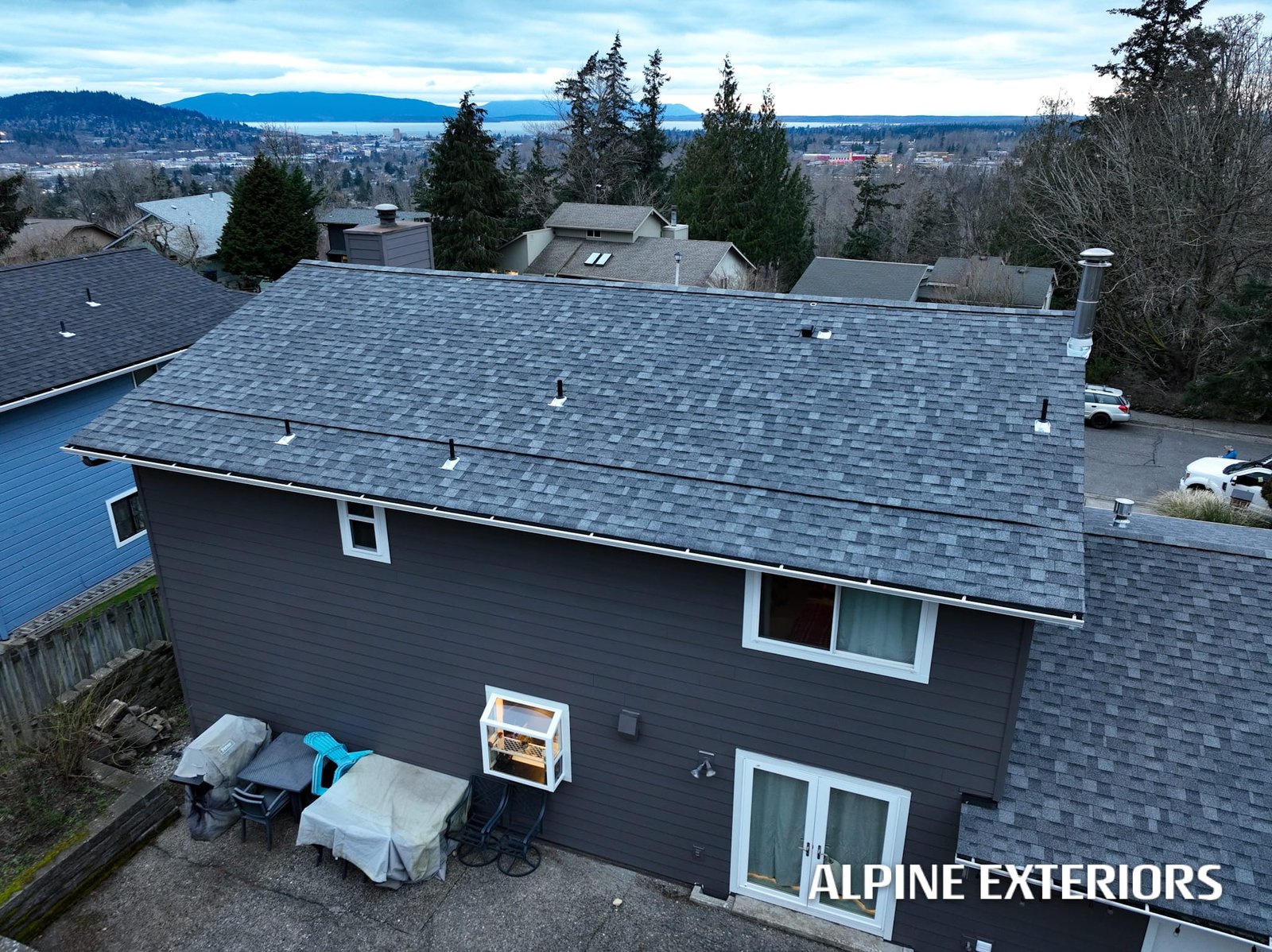
Lopez Island sits out in San Juan County, reached by ferry out of Anacortes, and its roofs take on a different weather load than a house twenty miles inland. Wind funnels down Rosario Strait and across open farmland with nothing to slow it. Salt air off the water works into fasteners and flashing year-round. Big evergreens shade a lot of rooflines, which means moss gets a head start that a sunnier property in Mount Vernon or Burlington never deals with. None of that means a roof is doomed early — plenty of Lopez roofs go their full service life without drama — but it does mean the warning signs show up a little differently here, and waiting too long to read them costs more once water finds its way into the deck. Alpine Exteriors travels out to Lopez Island for inspections and roof work, and this page walks through what to actually look for before deciding between a repair and a full replacement.
Asphalt shingles shed a few granules their whole life, but a steady buildup of coarse, sand-like grit in the gutters or pooled at the base of downspouts means the protective mineral coating is wearing through to the bare asphalt underneath. On Lopez Island, this tends to accelerate on slopes that catch direct wind off the water, since gusts drive rain sideways under the shingle tabs and abrade the surface over repeated freeze-free but wet winters. Once the granule layer thins out, UV exposure and moisture start breaking the mat down faster, and there's no practical way to restore lost granules — it's a sign the shingle field is aging out, not something a sealant fixes.
Curling shingles lift at the corners like a dried leaf; cupping is when the middle of the shingle dishes downward while the edges stay flat. Both usually trace back to a combination of age, heat cycling, and — very commonly on the islands — attic moisture that's escaping through the roof deck instead of a ridge or soffit vent. Homes with older or undersized attic ventilation, which was common in construction built before current Washington State Energy Code ventilation and insulation requirements, run warmer and wetter attics that bake shingles from underneath. Once a shingle has curled, it no longer seals flat against its neighbors, and wind off the Strait finds the gap and starts working it loose.
A little moss on a north-facing roof in the Pacific Northwest isn't automatically an emergency — it's close to unavoidable under a stand of firs or cedars. The concern is thickness and where it's growing. Moss that's built up into a spongy mat, especially along the shingle's lower edge or in the valleys where water and debris collect, holds moisture against the roof surface far longer than an open, sunny slope would ever see. Over a few winters of Skagit and San Juan County rain, that trapped moisture works into the shingle mat, lifts tabs, and can rot the decking underneath before it's visible from the ground. Regular moss removal on a sunnier roof might be all it needs; a heavily colonized, older roof is often past the point where cleaning buys much time.
If a roof feels like it gives slightly underfoot, or a contractor doing an inspection notices flex when walking the valleys and low slopes, that's the plywood or OSB decking itself losing structural integrity from sustained moisture exposure. This is usually further along than it looks from the driveway — by the time the deck is soft, water has typically been getting past the shingle layer for a while, often through failed flashing or a moss mat that held moisture against one section of roof. A soft deck isn't a shingle-only repair; it means removing roofing down to the framing, replacing the rotted sheathing, and rebuilding from there, which is squarely full-replacement territory rather than a patch.
An attic that shows pinpricks of daylight through the roof boards, insulation that's damp or matted down, or a persistent musty smell all point to water getting through the roof assembly somewhere above. On islands with a lot of salt-laden wind, even small gaps around old vent boots or nail pops can let in enough moisture over a wet winter to soak insulation and start mildew growth. This also ties back to ventilation: proper intake and exhaust venting, which the Washington State Energy Code addresses as part of overall building envelope performance, helps attics dry out between storms instead of staying damp. An attic that never gets a chance to dry is an attic that will eat through a roof deck faster than the shingles above it would suggest.
A brown ring or bubbled paint on a ceiling, especially one that shows up or grows after a windy rain event, means water has already traveled through the roof, the deck, and the attic insulation to reach living space. That's a later-stage sign, not an early one — by the time it's visible inside, the leak has usually been active for at least one full wet season. On Lopez Island, wind-driven rain off the Strait can push water sideways under flashing or shingle edges that would stay dry in a calmer, more sheltered spot, so leaks sometimes trace back to a specific wall or roof face that takes the worst of the weather rather than the roof as a whole.
Flashing — the metal that seals roof edges, chimneys, skylights, and vent pipes — is usually the first thing to fail on an otherwise sound roof, and salt air is hard on it. Galvanized flashing on island homes can rust through years before the surrounding shingles wear out, and rubber vent boots crack and shrink from UV and salt exposure. Cracked or lifted flashing is often a straightforward repair on a roof that's otherwise in good shape, but on an older roof nearing the end of its service life, it's frequently one of several problems showing up at once rather than an isolated fix.
Most asphalt shingle roofs in this region are rated for somewhere in the 20 to 30 year range, though real-world life on Lopez Island trends toward the shorter end of that on wind-exposed or heavily shaded slopes. If a roof is in that age bracket and has had only spot repairs rather than a full tear-off, it's worth an inspection even without obvious symptoms yet, since the underlayment and decking are aging right along with the shingles whether or not the surface shows it.
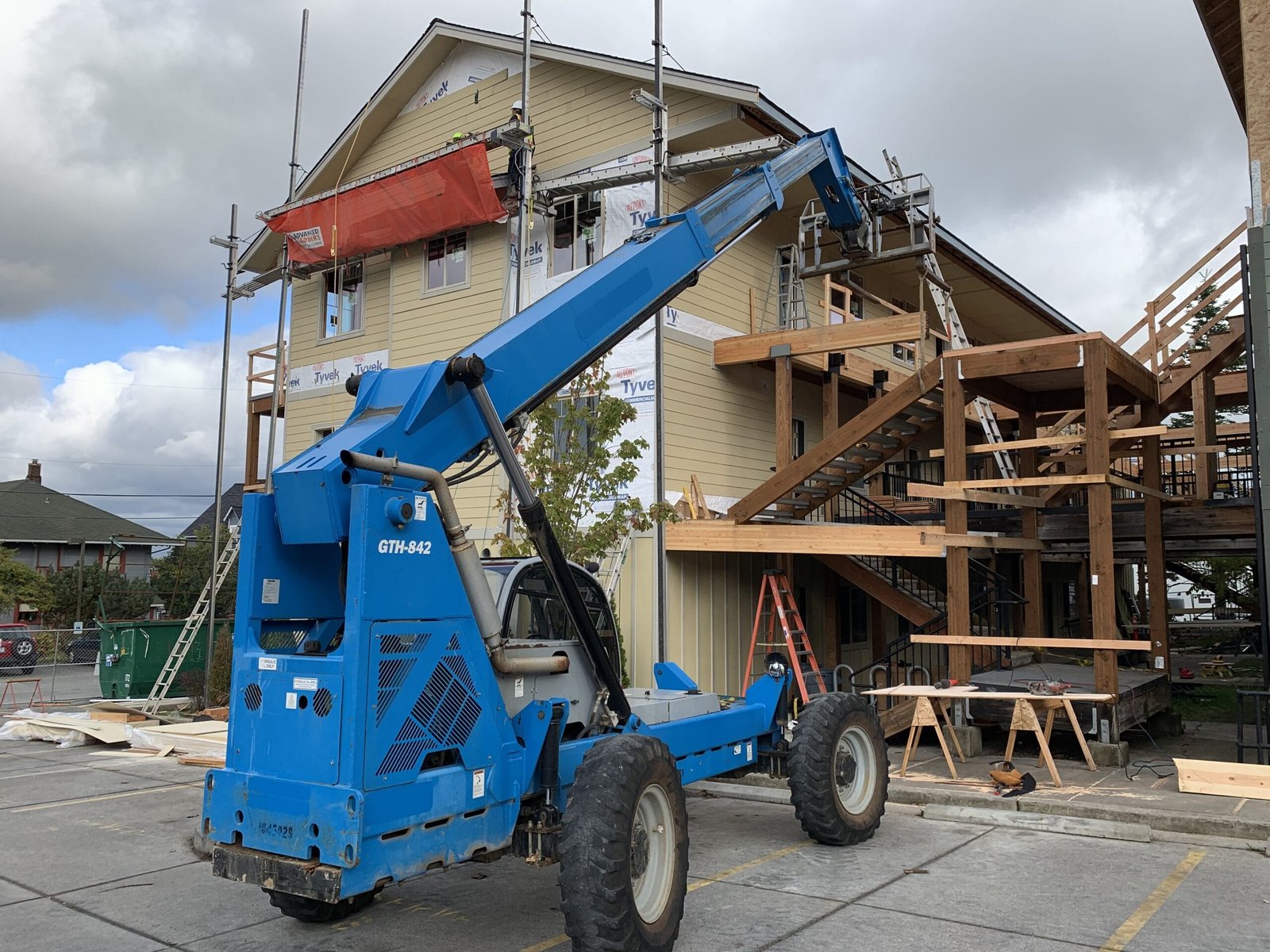
Not every item on this list needs a same-week response. A few, though, mean water is actively getting into the structure and shouldn't sit through another storm cycle.
| Sign | Urgency | Why |
|---|---|---|
| Interior ceiling stains, active dripping | Urgent | Water has already reached living space; delay risks drywall, insulation, and framing damage |
| Soft or spongy decking | Urgent | Structural sheathing is compromised and can worsen quickly under load or added rain |
| Daylight or damp insulation in the attic | Urgent to soon | Active moisture intrusion that will keep spreading through insulation and framing |
| Cracked or lifted flashing | Soon | A localized entry point for water that worsens with each windy rain |
| Curling or cupping shingles | Can plan ahead | Aging indicator; schedule an inspection and budget rather than wait for a leak |
| Moss on shaded slopes | Can plan ahead | Manage with cleaning first; reassess if it returns thick or fast |
| Granule loss in gutters | Monitor | Normal aging sign; track how quickly it's increasing over a season or two |
Start with a physical inspection rather than guessing from the ground — a lot of these signs, especially soft decking and flashing condition, are hard to judge accurately without someone actually walking the roof and checking the attic from inside. If interior stains or active leaks are already showing, take dated photos as they appear; that record helps a contractor pinpoint whether a leak is worsening and helps with any insurance conversation. When scheduling work on Lopez Island, build in the ferry schedule — getting equipment and crew out and back typically means planning around specific sailings rather than same-day scheduling like a mainland job, which can affect how quickly a repair gets done versus how it's sequenced with other work in the area.
Ask for a written scope that separates what's a repair from what genuinely requires replacement, and get clarity on whether ventilation and insulation will be addressed as part of the job — bringing an older attic up to current Washington State Energy Code ventilation practices during a re-roof is one of the more effective ways to extend the life of the new roof, even though it adds some cost up front. Replacement costs vary widely with roof size, pitch, material, and how much decking needs replacing, so treat any number before an on-site inspection as a rough range rather than a quote. Alpine Exteriors, WA contractor license ALPINI751OW, provides inspections and both repair and full replacement work for Lopez Island homeowners, traveling out from our Skagit and Whatcom county base.
There's no fixed number, but wind-exposed or heavily shaded roofs on the island often show wear a bit earlier than the manufacturer's rated lifespan would suggest, mainly due to salt air on flashing and fasteners and moss buildup under tree cover. A roof on a sheltered, sunny lot can still comfortably reach or exceed its rated life; it really comes down to exposure and how well ventilation was handled when it was installed.
Sometimes — if the shingles underneath are still flat, intact, and not curling, a professional moss removal and treatment can buy real time. But if the moss has been left thick for years, it's often already lifted shingle edges or trapped enough moisture to soften the decking, in which case cleaning won't undo that damage and an inspection is the only way to know which situation applies.
Getting materials and crews to Lopez Island generally means planning around ferry sailings, which can add a bit of lead time to scheduling compared to a mainland job, and material delivery logistics factor into overall project cost. It's a real consideration worth discussing up front, but it doesn't change the underlying scope of work — a roof still gets torn off, decking repaired as needed, and new roofing installed the same way it would anywhere else in the region.
A repair addresses an isolated problem — a section of damaged flashing, a handful of storm-damaged shingles, a small area of moss — while leaving the rest of the roof in service. A full replacement is warranted when the underlying decking has moisture damage, when granule loss and curling are widespread rather than localized, or when the roof's age means the underlayment is failing along with the surface shingles. An honest inspection should tell you clearly which situation you're in rather than defaulting to the larger job.
If any of these signs are showing up on your Lopez Island home, an on-site look is worth more than guessing from photos or a ground-level walk-around. Alpine Exteriors serves Skagit, Island, and Whatcom counties and travels out to San Juan County islands including Lopez for inspections and roofing work, under WA contractor license ALPINI751OW. Reach out to schedule a visit and get a clear, written assessment of whether your roof needs a repair, a partial section replaced, or a full tear-off.



