
Homeowners from Mount Vernon and Burlington out to Anacortes, La Conner, Camano Island, Stanwood, Sedro-Woolley and Bellingham ask the same first question before anything else: what does a composite deck actually cost around here? The honest answer is "a range," because deck cost depends on size, structure, board tier and how much of the old deck has to come out first. This guide walks through that range and the region-specific factors that push a project toward the low end or the high end, so you can read a quote from Alpine Exteriors — or any licensed contractor — and know whether it makes sense.
Composite decking costs more up front than pressure-treated wood, but it's sold on lower long-term maintenance — no annual staining or sealing, and better resistance to the freeze-thaw cycles and near-constant damp that define a Puget Sound-area winter. In Skagit, Island and Whatcom counties, a composite deck project typically lands somewhere between the low thousands for a small, simple replacement deck and well into the five figures for a large multi-level deck with custom railing, stairs, lighting and a full substructure rebuild. Total cost scales mostly with square footage, but the per-square-foot rate itself moves a lot depending on the factors below.
| Cost Factor | Low End | High End |
|---|---|---|
| Deck size (small patio-level deck vs. large multi-level deck) | Few hundred square feet | 800+ square feet, multiple levels |
| Substructure & framing (footings, posts, joists) | Reusable existing framing, minor repair | Full tear-out and rebuild to current code |
| Decking board tier | Entry-level capped composite | Premium composite or PVC with hidden fasteners |
| Railing type | Basic composite or metal baluster rail | Cable rail, glass panel, or custom wood-look composite rail |
| Stairs | None or one short run | Multiple runs with landings, on a sloped lot |
| Site prep & tear-off | New build on clear, accessible ground | Full demo of an old deck, poor access, tight side yard |
| Permits & inspections | Simple low-elevation deck, one jurisdiction visit | Multiple inspections, engineering for height or soil conditions |
| Electrical & lighting | None | Post cap lights, recessed stair lights, dedicated outlet circuit |
A few things specific to this part of Washington tend to matter more here than in drier or milder climates. Persistent winter rain and standing moisture mean the substructure — the framing, footings and ledger attachment — has to be built (or rebuilt) to actually shed water, not just support weight. If an old deck has ledger rot, undersized footings, or framing that's been sitting in damp shade, that gets discovered during tear-off and adds cost that wasn't visible in a walk-around estimate. Decks in shaded, tree-covered lots — common around Sedro-Woolley and the wooded parts of Whatcom County — are also more prone to moss and algae film on the walking surface, which affects board choice; some composite lines resist this better than others, and that's a legitimate reason one bid costs more than another.
Wind is a second regional factor, particularly for taller or more exposed decks. Open exposure to wind off the Skagit flats, or the funneling wind you get on Camano Island and along the Anacortes and La Conner waterfronts, means railing and post connections on an elevated deck need to be solidly engineered — not a place to cut corners on hardware. On the islands and anywhere near saltwater, airborne salt accelerates corrosion on fasteners, brackets and any exposed metal railing components, so stainless or coated hardware is worth the modest upcharge rather than a return-to-house callback in a few years. Inland toward the foothills near Sedro-Woolley, occasional ice and snow load add a small design margin to framing spans, though this region rarely sees the heavy snow loads of the higher Cascades.
Local permitting also affects the bottom line. Washington's adopted building code sets minimum requirements for guardrail height, baluster spacing, stair rise and run, and footing depth, and most jurisdictions in Skagit, Island and Whatcom counties require a permit for any deck attached to the house or built above a certain height. Permit fees, plus the time for plan review and inspection, are a real line item — not padding — and a contractor who pulls the permit and handles inspections is worth more than one who quietly skips that step.
A usable, comparable quote should spell out the decking brand and board line by name (not just "composite"), the railing system and material, the substructure scope — is old framing being reused, repaired, or fully replaced — footing type and depth, fastener and hardware specification, whether the permit and inspections are included and who pulls the permit, a start-to-substantial-completion timeframe, and a written warranty covering both materials and labor separately, since those often come from different sources. If lighting, stairs, or a landing at grade are part of the plan, each should be its own line so you can see what they cost rather than being buried in a single lump sum.
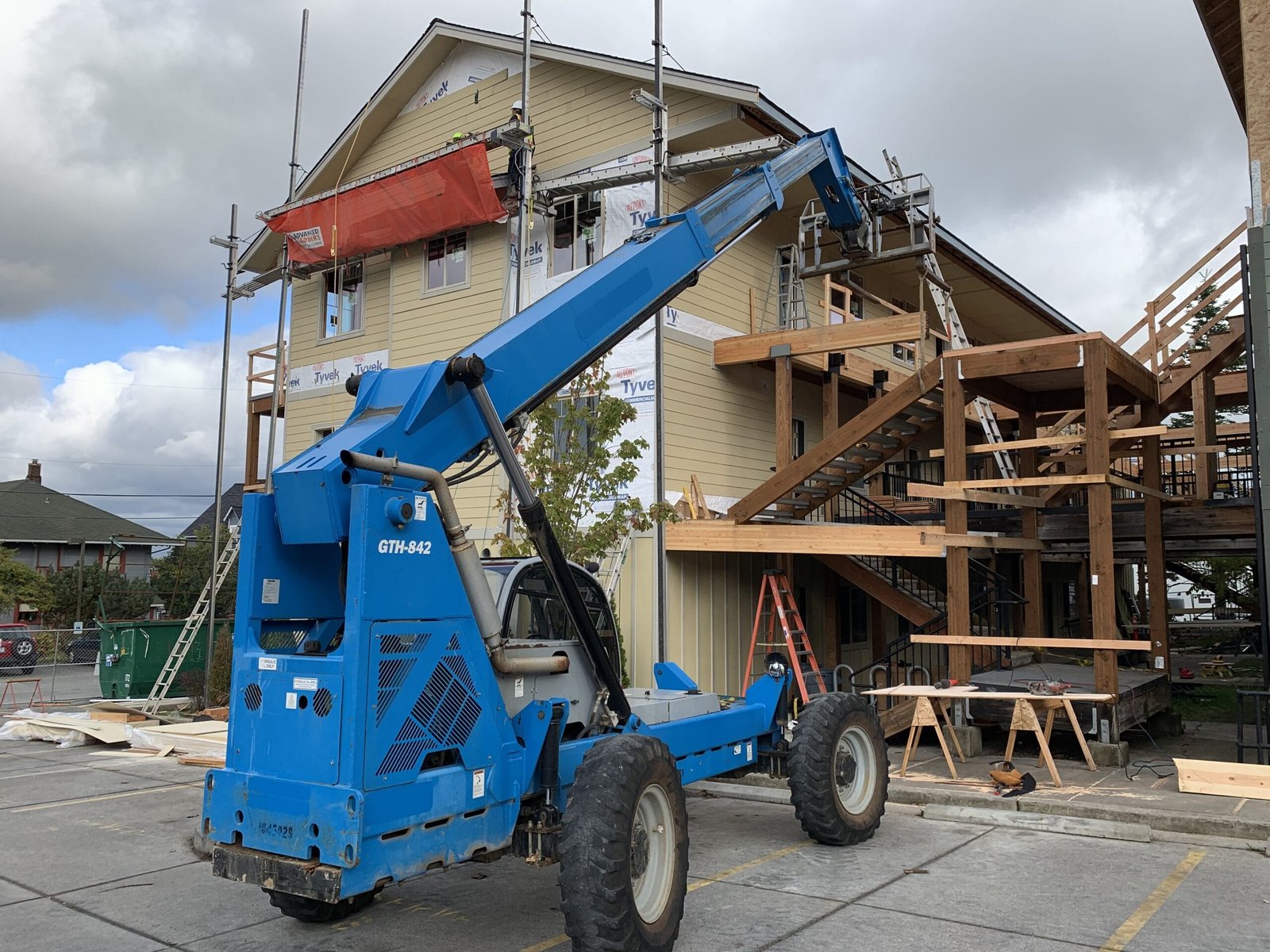
It's also fair to expect the quote to note whether the existing deck needs to be demolished and hauled away, and whether that disposal cost is included. On a tear-off job, this is frequently where quotes diverge the most, because one estimator assumed clean removal and another assumed the old deck would reveal rot that needs a change order.
The lowest number on paper isn't always the better deal. Line up quotes side by side on the specifics above — board tier, railing type, substructure scope, hardware, permit inclusion — before comparing totals. A quote that's noticeably lower may simply be pricing a thinner substructure, cheaper hardware, or no permit at all, which shifts risk and future repair cost back onto the homeowner. Ask each contractor directly whether they're licensed and bonded in Washington, ask to see their WA contractor license number, and ask how they handle a change order if hidden rot or undersized footings turn up once the old decking comes off — that's a normal, honest possibility on a tear-off, not a red flag by itself. What matters is whether the contractor has a clear process for telling you before proceeding, not after the invoice arrives. Alpine Exteriors, WA contractor license ALPINI751OW, walks homeowners through each of these line items before work starts so there are no surprise categories once the project is underway.
Many licensed deck contractors, including Alpine Exteriors, offer financing options for larger projects, which can make it easier to choose a fuller substructure rebuild or a higher-tier composite board rather than trimming scope to fit a smaller budget. Ask what financing partners are available and what the actual terms are — rate, length, and any promotional period — before signing.
On the insurance side, a composite deck replacement is typically treated as a home improvement rather than storm damage, so it's usually not something a homeowner's insurance policy pays for outright unless the prior deck failed due to a covered event, such as wind or a falling tree. If that's the situation, check with your insurer before demolition begins, since some policies want photo documentation of the damage first. Separately, confirm that any contractor you hire carries their own liability insurance and workers' compensation coverage — that protects you if there's a jobsite injury or property damage during construction, and it's worth asking to see proof rather than taking it on faith.
For most homeowners in this region, yes, largely because of the maintenance difference. Wood decking in a climate with this much winter rain needs regular cleaning, sealing or staining to resist rot and slipperiness, especially in shaded spots prone to moss and algae film. Composite costs more initially but skips most of that annual upkeep, so the lifetime cost gap is narrower than the sticker price suggests. That said, wood remains the lower-cost option for a tight budget or a smaller, simpler deck.
In most cases, yes, if the deck attaches to the house or sits above a modest height threshold — the exact trigger varies by city and county, since each jurisdiction administers its own permitting under the state-adopted building code. A licensed contractor should know the local threshold and pull the permit as part of the project rather than leaving that step to the homeowner.
Timeline depends heavily on deck size, whether an old deck needs full demolition, and permit review time with the local jurisdiction, which can add days or weeks before construction even starts. Once work begins, straightforward replacement decks often move faster than large multi-level new builds with custom railing or stairs. Get a written estimate of the construction window, separate from permit lead time, so you know what to expect.
Less than wood, but not zero. Most composite boards still benefit from periodic washing to keep pollen, moss spores and grime from building up in shaded or low-airflow areas, and any metal hardware — especially near saltwater on the islands — should be checked occasionally for corrosion. It's a lighter maintenance load than staining a wood deck every year or two, but "maintenance-free" oversells what any composite product actually delivers.
If you're weighing a composite deck for a home in Mount Vernon, Anacortes, Burlington, Sedro-Woolley, La Conner, Stanwood, Camano Island, Bellingham or anywhere nearby in Skagit, Island or Whatcom County, Alpine Exteriors can walk your existing deck or building site, point out what the substructure and framing actually need, and put together a written, line-item quote so you can see exactly what's driving the number before you commit. Reach out to schedule a walk-through and get a real quote for your project.