

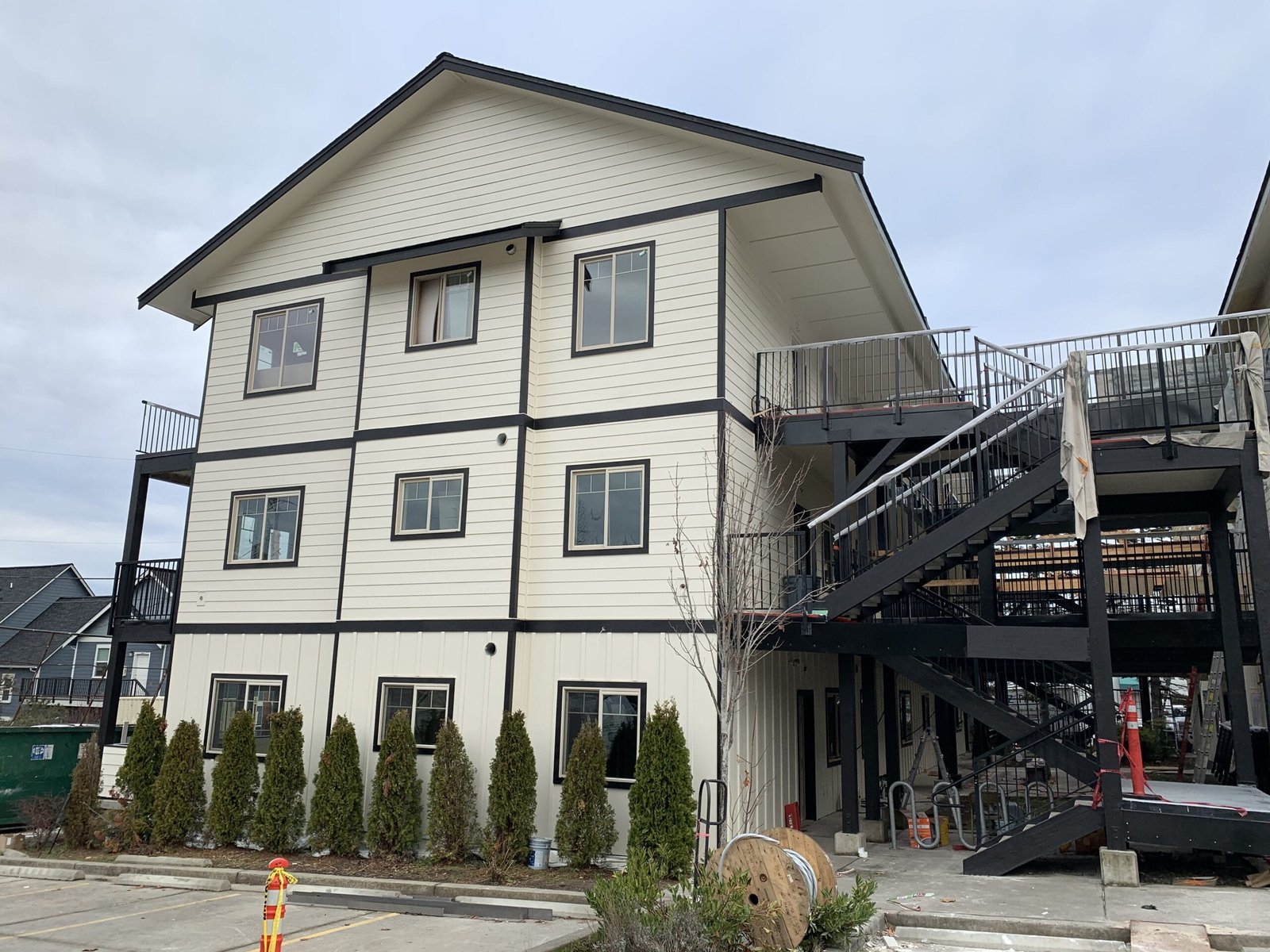
If you're replacing windows on a La Conner home, the two things that will shape every decision are the Washington State Energy Code and the wind and moisture coming off the Swinomish Channel and the Skagit flats. Most homeowners here end up choosing between vinyl and fiberglass frames, need at least a heads-up call to Skagit County (and sometimes the Town of La Conner's design review) before work starts, and should budget roughly $700 to $2,500 per window installed, depending on size, frame material and how much trim and flashing repair the crew finds once the old unit comes out.
Window replacement sounds like a simple swap, but in this part of Skagit County it touches three separate systems: the building envelope, the local energy code, and in some cases the local jurisdiction's permitting and design rules. The Washington State Energy Code sets minimum performance requirements for replacement windows, generally expressed as a maximum U-factor for the glass-and-frame assembly. In practice this means a contractor can't simply install whatever window is cheapest at the local building supply store and call it compliant — the unit has to meet a documented U-factor, and in most residential retrofit work in this climate zone that lands in the neighborhood of U-0.30 or better for the whole assembly, not just the glass. Reputable installers will show you the NFRC label on the window itself, which lists U-factor and Solar Heat Gain Coefficient, so you can verify what you're actually paying for rather than taking a sales pitch at face value.
Permitting is the part homeowners most often skip and later regret. Skagit County, like most Washington jurisdictions, treats a straightforward like-for-like window replacement — same size opening, same wall, no structural change — differently than a job that enlarges an opening, adds a window where there wasn't one, or touches a load-bearing header. Many simple replacements are permit-exempt, but egress requirements for bedroom windows, and energy code compliance paperwork, still apply regardless of whether a permit is pulled. If you're inside La Conner's town limits, especially in or near the historic commercial core or a designated historic residence, exterior changes visible from the street can trigger a design review even for something as ordinary as swapping out a window's exterior profile or grid pattern. It's worth a phone call before you sign a contract, not after.
Frame material matters more here than in a drier climate. Vinyl is the most common choice because it's the most affordable option that still meets current energy code performance, doesn't need painting, and won't rot. Its main drawback is that in very large sizes or dark exterior colors it can expand and contract more than fiberglass, which over years can affect how tightly a sash seals. Fiberglass frames cost more up front but hold their shape better across our wide seasonal temperature and moisture swings, and they're a reasonable upgrade on street-facing elevations or larger picture windows where a vinyl frame's flex would be more noticeable. Wood and wood-clad windows still show up in older La Conner farmhouses and in homes where a historic look matters, but solid wood exposed to this region's long wet season needs consistent maintenance — recaulking, repainting, and prompt attention to any spot where the finish fails — or the frame will eventually take on moisture and start to soften. Aluminum-framed windows are largely a poor fit for this climate; bare aluminum conducts heat and cold efficiently, which in a marine climate with high humidity means more condensation on the interior frame and glass, and thermally-broken aluminum that avoids this problem tends to cost as much as fiberglass without much upside for a residential retrofit.
| Frame type | Typical installed cost per window | Best fit |
|---|---|---|
| Vinyl | $700–$1,400 | Most homes; best value, low maintenance |
| Fiberglass | $1,200–$2,200 | Larger or exposed elevations, street-facing walls |
| Wood / wood-clad | $1,800–$2,800+ | Historic-district homes matching original trim |
Large picture windows, bay configurations, or units on a second story requiring extra staging will push toward the top of any of these ranges, and a full-house project is worth pricing window by window rather than as a single average.
La Conner and the surrounding Skagit flats aren't dealing with hurricane-force wind events, but the area does see sustained wind funneling down the Swinomish Channel and across the open farmland, along with a long, wet winter that keeps wood and lower-quality sealants under near-constant moisture load for months at a time. Homes close to the water pick up salt-laden air, which accelerates corrosion on hardware, screws and lesser-grade weatherstripping fasteners faster than it would a few miles inland. None of this is dramatic on any single day, but it's cumulative: a window that's marginally under-flashed or uses a builder-grade vinyl frame will show its weaknesses here in five to eight years instead of fifteen or twenty. Homes up toward the foothills east of Sedro-Woolley can also see occasional snow load and freeze events that a coastal La Conner home rarely experiences, so the right window spec can vary even within a fairly small service area. There isn't a moss problem on windows the way there is on shaded roofs, but the same persistent damp that grows moss on a north-facing roof slope will find any gap in window flashing or caulking and slowly work into the wall assembly if it isn't installed correctly the first time. Older homes in La Conner's low-lying areas near the Swinomish Channel also see more humidity at the sill level than homes set higher on the surrounding bluffs, which is one more reason a rushed installation shows problems here faster than it would in a drier inland town.
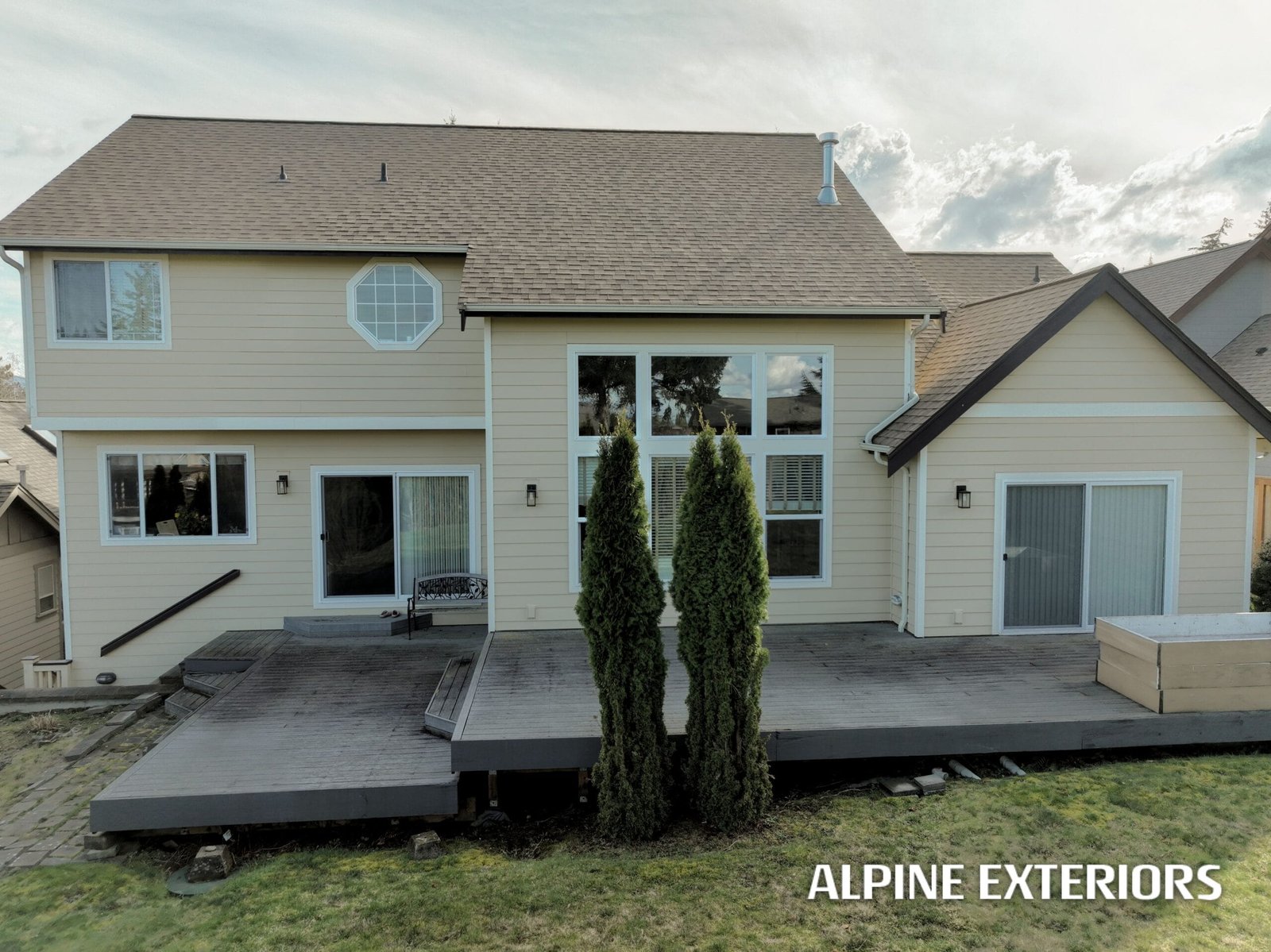
Alpine Exteriors handles window replacement across Skagit, Island and Whatcom counties, including La Conner, and can walk through permitting, frame options and the energy code paperwork on a specific home before any contract is signed.
It depends on the scope of the job and whether your property sits inside town limits. A same-size, same-opening replacement is often permit-exempt under Skagit County rules, but enlarging an opening, changing egress windows, or working on a home inside La Conner's historic district can require a permit or a design review, so it's worth a quick call to the county or town planning office before signing a contract.
The Washington State Energy Code sets a maximum U-factor for the whole window assembly, and in this climate zone that generally lands around U-0.30 or better for typical residential replacements. Ask any installer for the NFRC label on the specific window model they're quoting so you can confirm the number rather than relying on a general claim of code compliance.
Vinyl is less expensive and performs well for most homes, but it can flex more than fiberglass in large sizes or dark colors, which matters over years of temperature swings. Fiberglass costs more up front but holds its shape better and is often worth it on larger or more exposed elevations, particularly near the water where wind and salt air add extra stress on hardware and seals.
Costs vary with size, frame material and how much trim, sill or flashing repair the job needs once the old window is out, but homeowners in this area typically see a range of roughly $700 to $2,500 per window installed. A full-house replacement project should come with an itemized, per-window quote rather than a single lump figure, so you can see where the cost is coming from.
If you're weighing window replacement on a La Conner home, Alpine Exteriors can walk the property, check the existing flashing and framing, and put together a written quote that spells out frame options, energy code numbers and any permitting steps specific to your address. Alpine Exteriors is licensed in Washington under contractor license ALPINI751OW and works throughout Skagit, Island and Whatcom counties. Reach out for a straightforward, no-pressure assessment before you commit to a contractor or a window brand.



