

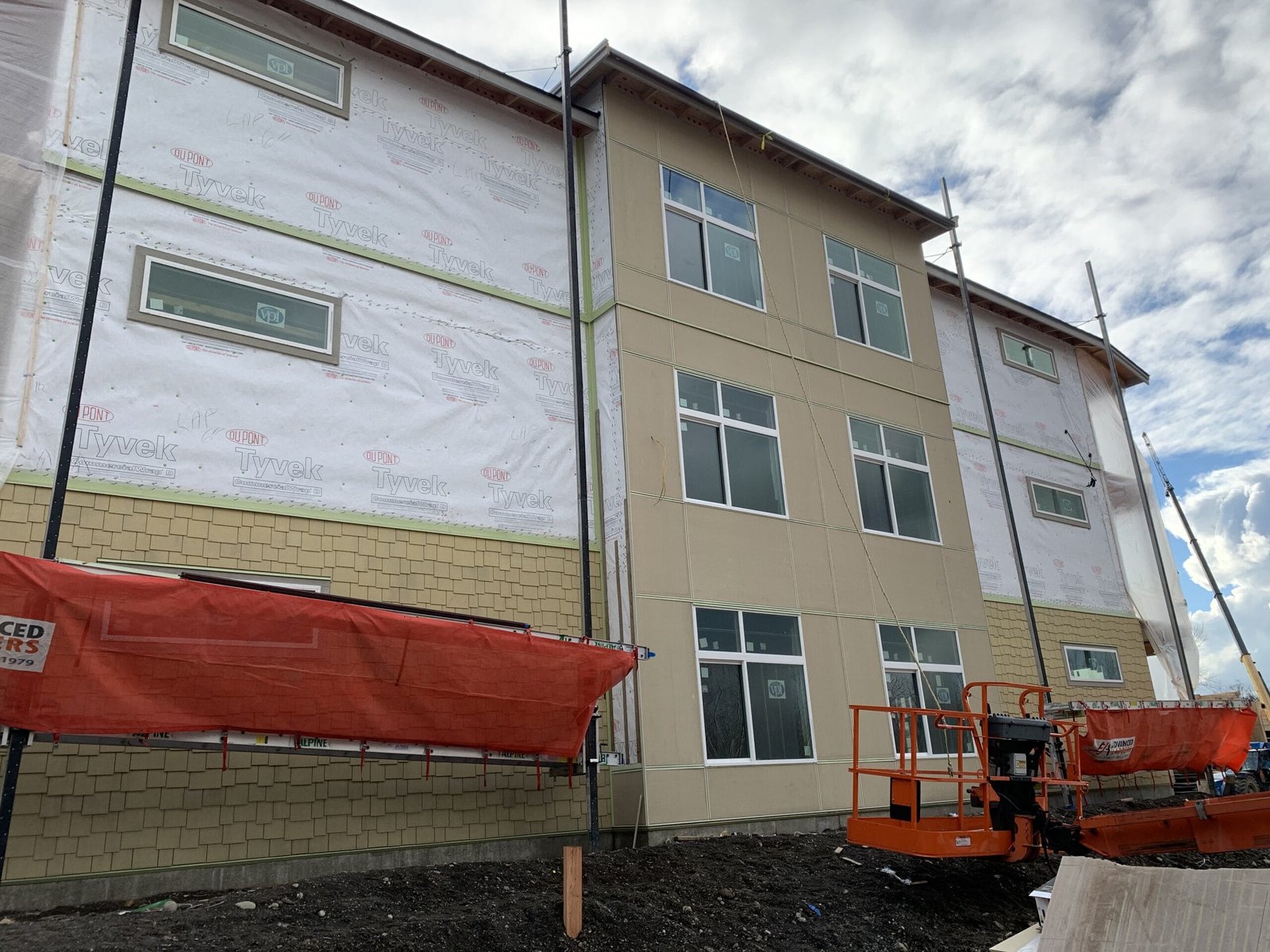
Edison sits out on the Skagit flats between the Samish River delta and Bow Hill, a small farm-and-fishing community where wind off Samish Bay and Padilla Bay moves across open fields with nothing to slow it down. Decks here take a different kind of beating than decks tucked into a wooded Bellingham lot or a sheltered cul-de-sac in Mount Vernon. If you are pricing out a deck replacement in Edison, the honest answer is that the final number depends on size, framing condition, decking material, and how much of the substructure has to come out along with the old boards. What follows is a realistic range, the variables that move it, and what a fair quote from a contractor like Alpine Exteriors should spell out before you sign anything.
Most deck replacement projects in the Edison and greater Skagit County area land somewhere between a modest resurfacing job and a full tear-off-and-rebuild. A straightforward swap of decking boards on a structurally sound frame sits at the low end. A full replacement that includes new footings, framing, railings, and stairs on a mid-size deck runs considerably higher, and a large multi-level deck with composite decking, cable or glass railing, and built-in features climbs further still. Because every property along the flats has its own footing conditions, drainage situation, and existing framing quality, treat any number you see online — including the ranges below — as a starting point for a conversation, not a quote.
| Cost Factor | Typical Low End | Typical High End |
|---|---|---|
| Decking material (pressure-treated wood) | Lower cost per square foot | Moderate, depending on grade |
| Decking material (cedar) | Moderate | Higher, depending on clear vs. knotty grade |
| Decking material (composite/PVC) | Moderate-to-higher | Highest of the common options |
| Substructure/framing replacement | Minimal if frame is reusable | Substantial if joists, beams, and footings all need replacement |
| Footings and post replacement | Low if existing footings pass inspection | Higher where frost heave, rot, or undersized footings require new concrete |
| Railings and guardrails | Basic wood or metal baluster railing | Cable, glass, or custom composite railing systems |
| Stairs and landings | Single short run | Multiple runs or a landing tied into a lower patio |
| Permit and inspection fees | Smaller decks under Skagit County thresholds | Larger or elevated decks requiring full plan review |
| Demolition and disposal of old deck | Lower for a simple ground-level deck | Higher for elevated decks with more material to haul away |
The single biggest swing factor on any Edison deck replacement is what the crew finds once the old decking comes off. A lot of decks in this area were built decades ago on footings that were adequate at the time but don't meet current frost-depth or bearing requirements, and Skagit County's damp winters are not kind to buried posts or ledger boards that were never properly flashed. Wind off the flats also matters more here than in a sheltered inland lot — taller decks and open railing designs need bracing and post connections sized for sustained gusts, not just the boards themselves.
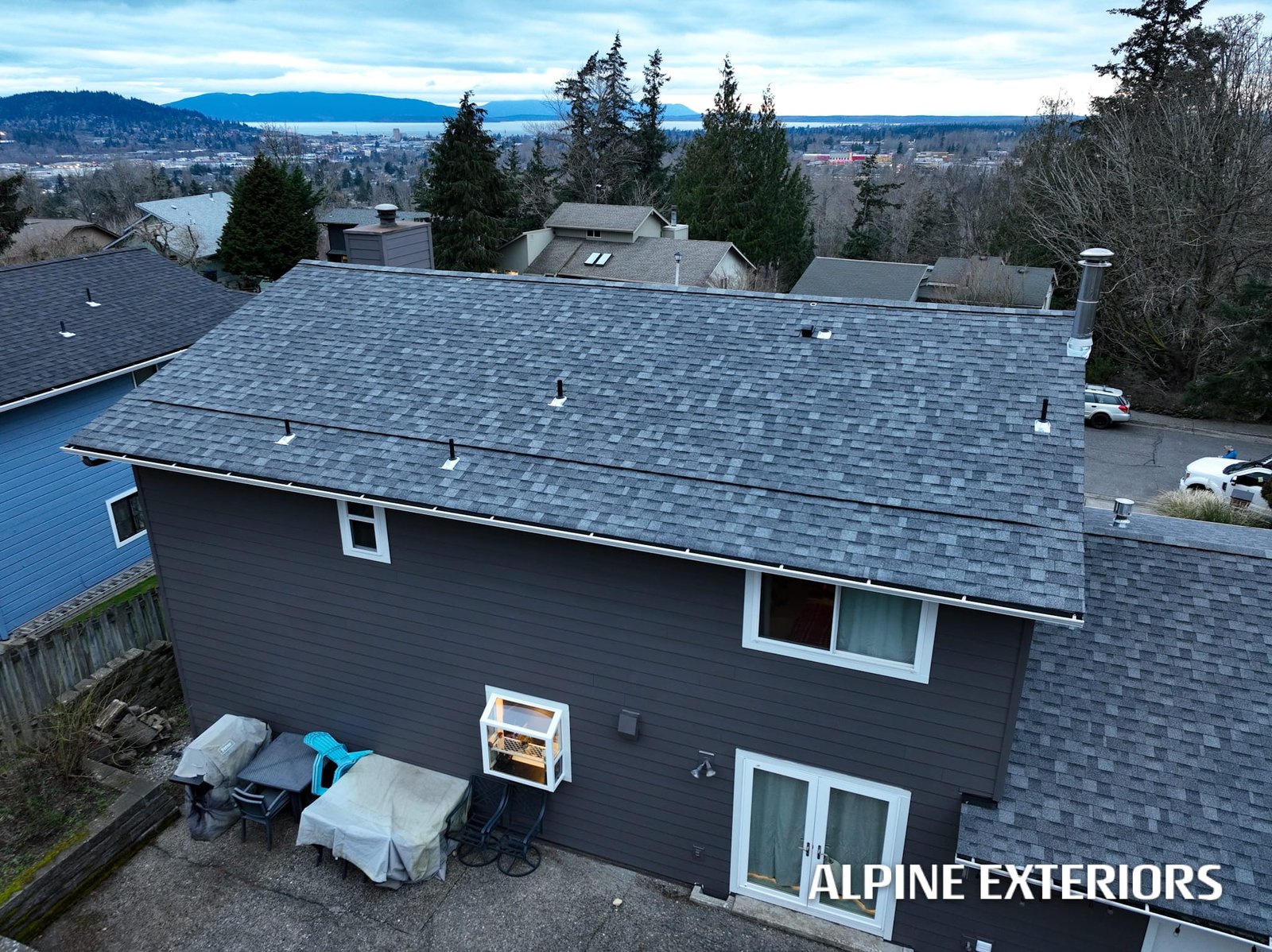
A usable quote from any contractor, including Alpine Exteriors, should tell you more than a bottom-line number. Ask for a written scope that separates demolition, framing repair or replacement, decking material and installation, railing, stairs, and permit costs as distinct line items rather than one lump sum. That breakdown is what lets you actually compare two bids apples-to-apples instead of guessing why one number is higher than another.
When you're collecting bids for a deck replacement in Edison, resist the temptation to just look at the bottom-line total. The cheapest quote often gets there by reusing footings or framing that a more thorough contractor would flag for replacement, or by specifying a lower grade of decking than the quote next to it. Line up the scopes side by side, item by item, before comparing prices. If one bid is noticeably lower, ask specifically what's different in the framing plan, the decking product, and the railing spec — sometimes there's a legitimate reason, and sometimes it means something got left out.
Deck replacement is generally treated as a home improvement project rather than an emergency repair, so most homeowners pay through savings, a home equity line, or a contractor-arranged financing plan rather than an insurance claim. Some contractors, including Alpine Exteriors, can walk through financing options for larger deck rebuilds so the cost is spread out rather than paid in a single lump sum — ask what's available before you commit to a scope, since the financing terms can sometimes shape whether a composite upgrade or a full footing replacement fits the budget this year versus next.
Homeowners insurance typically does not cover routine deck replacement due to age, wear, or gradual rot — that's considered maintenance, not a covered loss. Where insurance can come into play is sudden, specific damage: a tree limb coming down in a windstorm off the flats, or structural failure tied to a covered peril. If a storm event damaged your existing deck, document it with photos before any demolition begins and check your policy's dwelling or other-structures coverage before assuming it's out of pocket. For a standard replacement driven by age or rot, plan on it being a self-funded or financed project rather than a claim.
The biggest variable is almost always what's hidden underneath the decking boards. Two decks that look nearly identical from the yard can have very different footing depths, joist spacing, and ledger board conditions, and Skagit County's wet winters accelerate rot and footing movement unevenly depending on drainage, shade, and how the deck was originally built. A contractor won't know the true scope until the old decking comes off and the frame is inspected, which is why early estimates are always a range rather than a fixed number.
Yes. Edison's open, low-lying location between the Samish and Skagit flats means less wind buffering than a wooded or more built-up lot, which matters most for taller decks, open railing designs, and any attached pergola or cover structure. Post connections, railing bracing, and hardware sizing typically need to account for that added wind exposure, and cutting corners on bracing is one of the more common ways an older deck in this area ends up loose or wobbly well before the decking itself wears out.
It depends on how much maintenance you're willing to do. Composite and PVC decking cost more upfront but shrug off the constant winter moisture and moss growth that plague untreated or poorly maintained wood decks in shaded parts of Edison and the surrounding flats. Pressure-treated or cedar decking cost less initially and can look great, but they need regular cleaning, sealing, or oiling to hold up against this much year-round rain — skip that maintenance and a wood deck's real lifespan drops noticeably faster than a composite one.
Most deck replacements in unincorporated Skagit County, including Edison, require a building permit, particularly for decks above a certain height or footprint, and elevated decks generally need engineered guardrail and stair details reviewed against the state building code. Permit and inspection fees are a real but generally modest part of the overall project cost — the bigger cost driver by far is the framing and decking work itself, not the paperwork. Any reputable contractor should include permit handling in their quote rather than leaving you to navigate it separately.
A deck replacement in Edison is worth pricing carefully rather than guessing from a range online, because the condition of your footings, the amount of shade and moss exposure, and the decking material you choose all move the final number more than most homeowners expect. Alpine Exteriors serves Edison along with the rest of Skagit, Island, and Whatcom counties — Mount Vernon, Anacortes, Burlington, Sedro-Woolley, La Conner, Stanwood, Camano Island, and Bellingham — and can walk your existing deck, explain what's driving your specific price range, and put together a written scope you can actually compare against other bids. Reach out to schedule an on-site look at your deck and get a straightforward quote before you commit to a project.



