

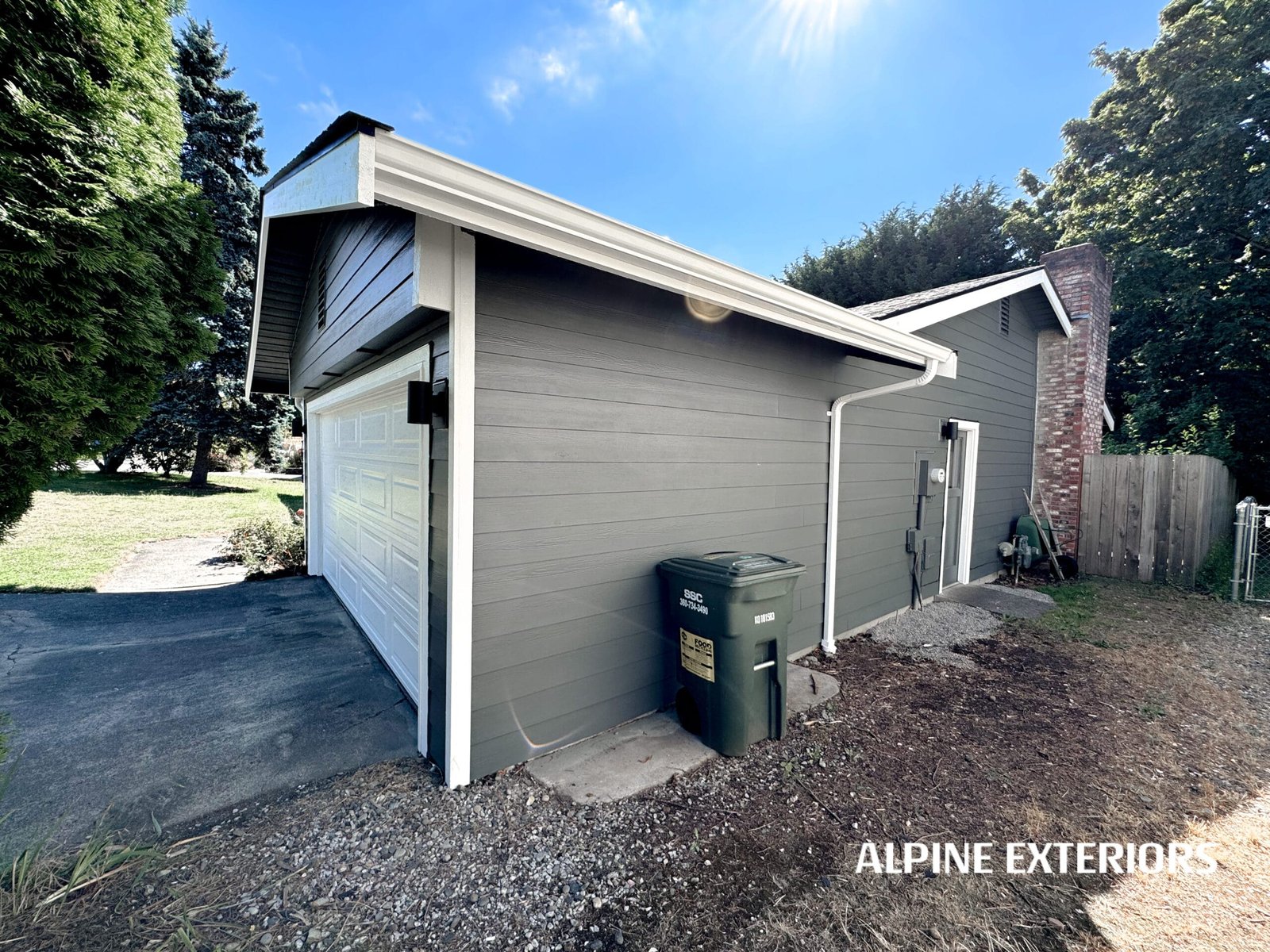
Concrete sits inland along the Skagit River, in the foothills where the North Cascades start to rise out of the valley floor. That location matters more than most homeowners realize. Anacortes and Bellingham sit in a marine west coast climate typical of the Puget Sound region, with milder winters and salt air off the water. Concrete is a different pocket entirely — colder winters with occasional snow, heavier tree cover, and a mix of common property types that includes older single-family homes, acreage properties with outbuildings, a handful of small commercial and civic buildings along Highway 20, and homes tucked under stands of cedar and fir that create shade, moss, and limited roof access. Alpine Exteriors has replaced roofs across Skagit, Island and Whatcom counties long enough to know that a Concrete job is planned differently than one in downtown Mount Vernon or on Camano Island, and this guide walks through that process stage by stage, honestly, including the parts that slow things down.
On a straightforward single-family home with an asphalt composition roof, the actual tear-off-to-final-nail work usually takes two to four days once a crew is on site. But that's only part of the timeline homeowners should plan around. From your first call to the final walkthrough, budget three to six weeks in most cases — longer if the roof has a steep pitch, multiple valleys and dormers, a metal or cedar component, or if it's late fall through winter, when shorter daylight and wet weather compress the number of safe working days. Properties with large trees close to the roofline, long gravel driveways, or acreage access sometimes need an extra day just for staging and site protection before any tear-off begins.
| Stage | Typical Time |
|---|---|
| Estimate, contract, permit filing | 1–2 weeks |
| Material ordering and delivery | 3 days to several weeks (product-dependent) |
| Tear-off and deck inspection | 1 day (average home) |
| Underlayment, flashing, install | 1–3 days |
| Cleanup and final inspection | Same day to next day |
Concrete and the surrounding unincorporated areas fall under Skagit County jurisdiction, and a building permit is generally required for roof replacement work — always verify current permit thresholds, valuation limits and inspection requirements with Skagit County Planning & Development before signing a contract, since these details change and vary by scope of work. If your property sits near the Skagit River or within a mapped critical area or floodplain, additional shoreline regulations and setback rules can apply on top of the standard roofing permit, which is one more reason to have your contractor pull the permit rather than skip it. Neighboring areas like Sedro-Woolley and Hamilton have their own municipal permitting desks and, in some cases, their own fee schedules, so a roof that straddles a jurisdiction line needs a quick call to confirm which office you're actually filing with. Concrete itself has very few HOAs, but if your property is in one of the newer platted subdivisions closer to Sedro-Woolley, check your covenants for roof color or material restrictions before ordering shingles. On material lead times: standard architectural asphalt shingles in common colors are usually in regional stock and can ship within days. Specialty products — standing seam metal, cedar shake, synthetic slate, or an attempt to match a discontinued shingle line on a partial re-roof — can take several weeks to arrive, and that lead time should be locked in before a start date is promised.
Every roof is different, but a full tear-off replacement follows the same basic sequence:
A little prep on your end keeps the job moving. Move vehicles out of the driveway and garage bay closest to the work area, and clear anything valuable or breakable from attic storage — tear-off vibration can knock loose dust and debris inside. Take down wall art or mirrors in upstairs rooms, since hammering can cause vibration through the framing. Keep pets indoors or off-site during work hours; roofing crews, ladders, and falling debris are not a safe mix for curious dogs. If you're on an acreage property with a long driveway or limited turnaround space for a dump trailer, let your contractor know in advance so staging can be planned. And if your home is under large trees, expect a conversation about access — some limbs may need trimming back so ladders and material lifts can reach the roof safely.
Once the new roof is on, a magnetic roller sweep is run across the yard, driveway and any landscaping beds to pick up stray nails and staples — this often gets repeated a day or two later, since vibration can shake more loose. Gutters get checked and cleared of debris from the tear-off. Your crew lead should walk the roof and the ground with you, point out flashing details, ridge lines and any deck repairs that were made, and go over a written scope so nothing is left ambiguous. This is the point to raise questions before the crew demobilizes — a good contractor would rather answer them on site than field a callback later.
Alpine Exteriors backs its roofing work with a workmanship warranty on installation, separate from the manufacturer's material warranty on the shingles, underlayment or metal panels themselves — ask for both in writing and understand what each one actually covers, since they're not the same thing and manufacturer warranties are often prorated. In this climate, a little ongoing maintenance matters: shaded, tree-covered roofs in and around Concrete are prone to moss, and zinc or copper strips near the ridge can slow regrowth between cleanings. Keep gutters clear heading into fall so heavy rain has somewhere to go, and have the roof glanced at after any significant windstorm off the flats or a heavy wet snow load in the foothills. None of this requires a service contract — it's just basic upkeep that extends the life of the investment.
Most single-family homes see two to four days of on-roof work, but the full process — estimate, permit, material delivery, installation and final inspection — typically spans three to six weeks. Steep or complex rooflines, specialty materials, and winter scheduling all add time.
It can. Both heavy rain and, at higher elevations near Concrete, occasional snow or freezing temperatures can pause work for safety and material-performance reasons — some underlayments and adhesives aren't rated to install below certain temperatures. A reputable contractor will build weather flexibility into your schedule rather than force a rushed install.
In most cases, yes. Unincorporated Skagit County, which includes Concrete, generally requires a building permit for roof replacement, and properties near the river or within a shoreline or critical area may have added review. Always verify current requirements with Skagit County Planning & Development, or with Sedro-Woolley's municipal office if your property falls inside city limits, since rules and fee schedules do change.
Architectural asphalt shingles remain the most common and cost-effective choice and perform well when ventilation and flashing are done correctly. Metal roofing sheds heavy rain and snow load efficiently and resists moss better than shingles, at a higher upfront cost. For heavily shaded, cedar-and-fir-lined lots, the biggest performance factor often isn't the material at all — it's ventilation and periodic moss control, regardless of which product is chosen.
If you're weighing a roof replacement in Concrete, Hamilton, Sedro-Woolley or anywhere else along the Skagit River corridor, Alpine Exteriors (WA contractor license ALPINI751OW) can walk your property, explain what your specific roof needs, and give you a realistic timeline and cost range before any commitment. We serve homeowners and commercial property owners with limited roof access, acreage properties, and standard in-town lots alike across Skagit, Island and Whatcom counties. Reach out for an on-site assessment and a straight answer about what your roof replacement will actually involve.



