

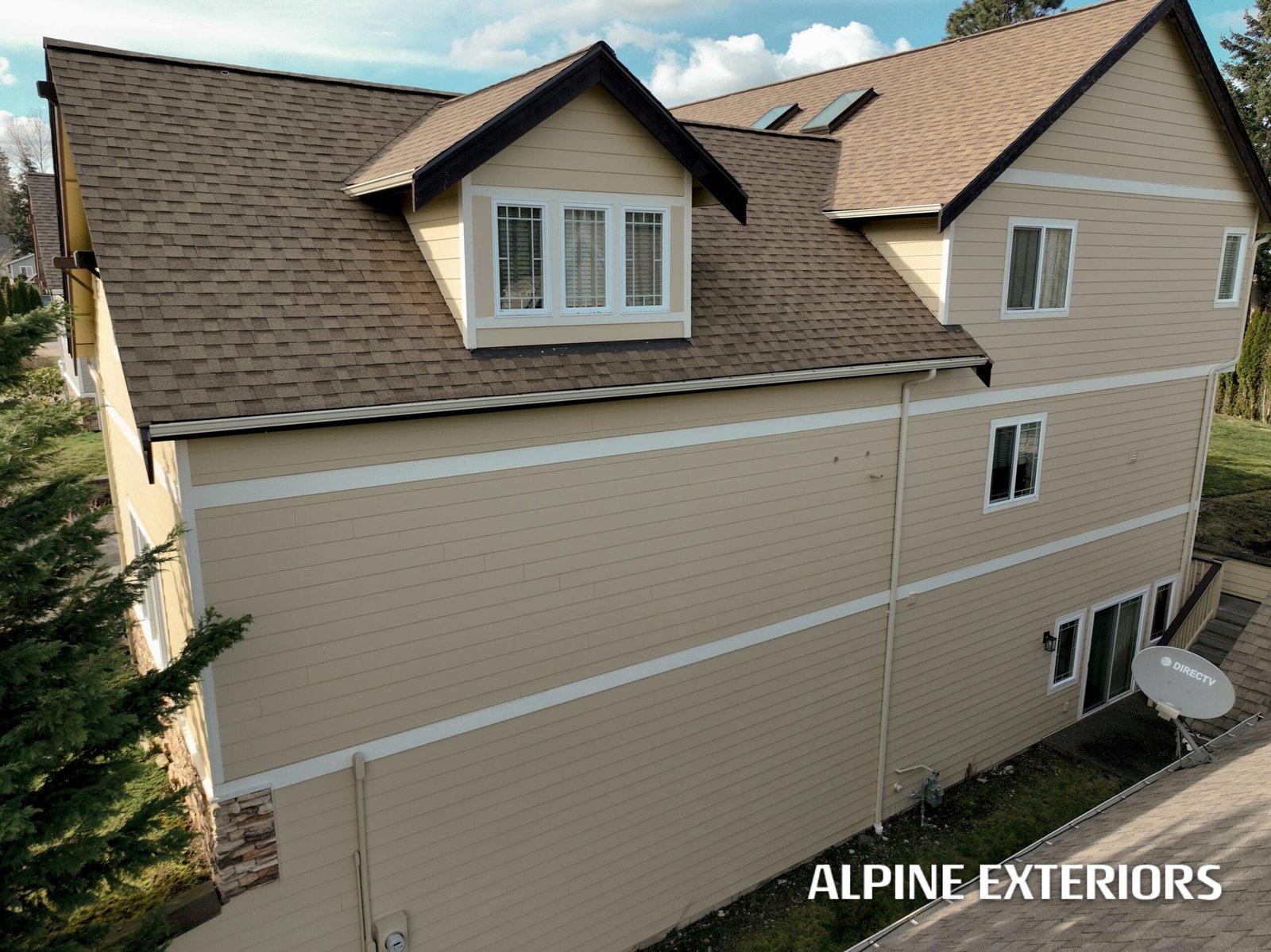
If your home sits inside Marysville city limits, the City of Marysville's Building Division issues your roofing permit, not Snohomish County directly. Most full roof replacements need a permit and at least one field inspection before the job is closed out, while small, localized repairs to an existing roof covering usually don't — but where that line falls is the building official's call, not the homeowner's or the roofer's, so it's worth a five-minute phone call before anyone climbs a ladder.
Marysville is an incorporated city, so it runs its own permit center separate from Snohomish County's Planning and Development Services (PDS). That matters because plenty of addresses that feel like "Marysville" — out toward Tulalip Bay, the outskirts near Lake Stevens, or pockets along Highway 9 — are actually unincorporated county land, and those go through the county's process instead, with different fee schedules, different plan-review queues, and sometimes different inspectors. The first practical step on any Marysville-area roofing job is confirming which jurisdiction actually has authority over the parcel.
Within city limits, the trigger for a permit is generally the scope of work, not the square footage. A full tear-off and re-roof — stripping the old covering down to the sheathing and installing new underlayment, flashing, and roofing material — almost always requires one. So does any work that touches the roof structure itself: adding a skylight, cutting in a dormer, reframing for solar panels, or changing the roof's pitch or footprint. Washington has adopted the International Residential Code with state amendments, and that code's limits on how many layers of roofing material can be stacked before a tear-off is mandatory are part of what the building official checks against when reviewing a re-roof application. Simple spot repairs — replacing a handful of damaged shingles or resealing a boot around a vent pipe — often fall under routine maintenance and don't trigger a permit, but "a handful of shingles" can turn into "most of one slope" once a contractor gets a ladder up and finds hidden rot, at which point the scope (and the permit requirement) can change mid-project.
Inspections on a permitted roofing job typically happen at two points. The first, sometimes called a dry-in or underlayment inspection, happens after the old roofing is stripped and the new underlayment and ice-and-water shield are installed but before the finish roofing material goes down — this is the inspector's only chance to see the deck, the flashing details at valleys and penetrations, and the water-resistive barrier before it's covered up. The second is a final inspection once the roof is complete, confirming proper fastening patterns, flashing at chimneys and walls, and (where it applies) attic ventilation. Contractors licensed and bonded in Washington typically pull the permit themselves as the contractor of record and coordinate both inspections directly with the building department; homeowners can pull an owner's permit instead, but that shifts the liability and the inspection scheduling onto them.
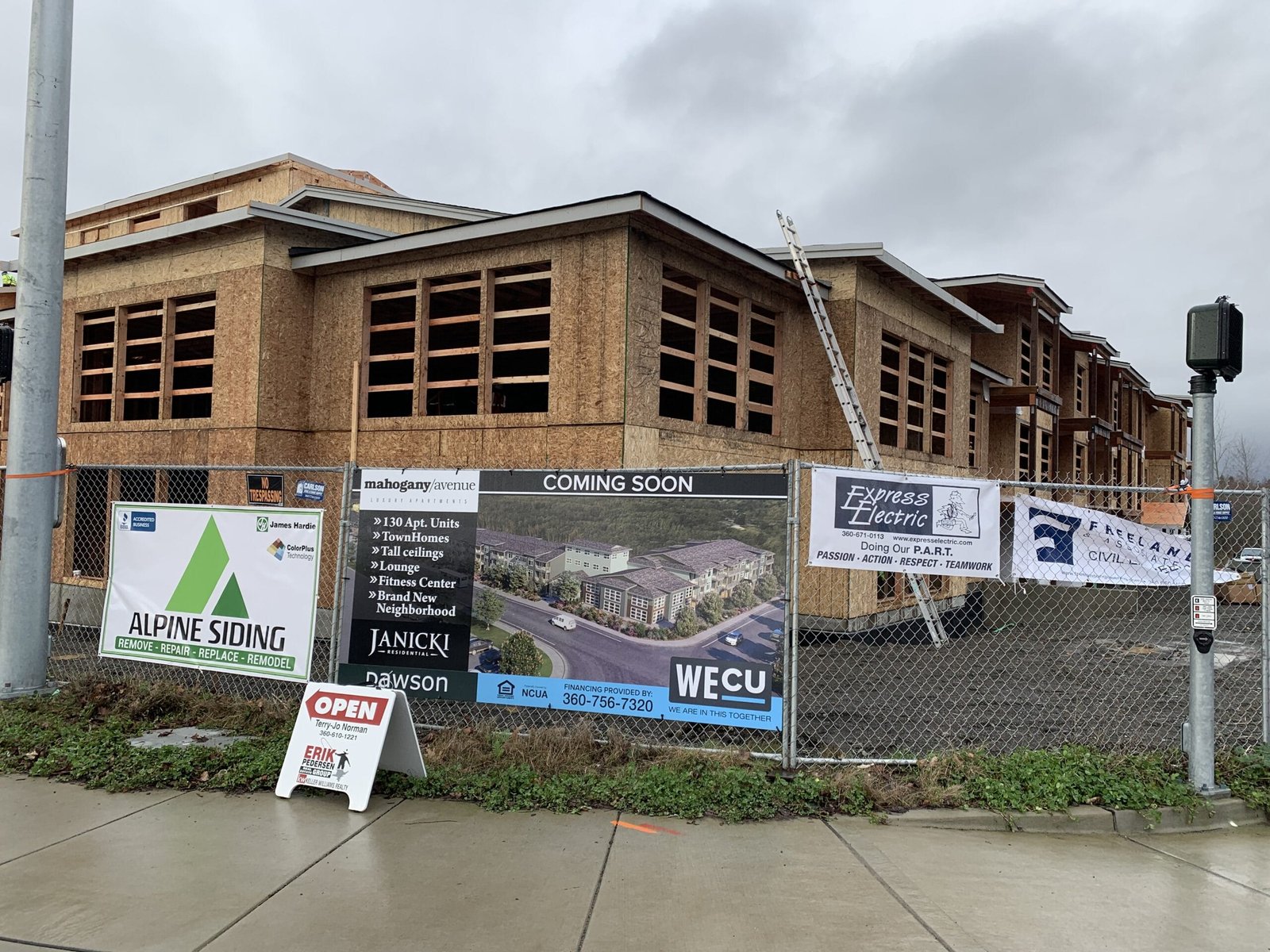
Marysville and the surrounding Snohomish County lowlands get a long, wet winter with steady rain rather than short, intense storms, and that shapes what inspectors look at closely. Underlayment coverage and ice-and-water shield placement at eaves, valleys, and roof-to-wall transitions get real scrutiny at the dry-in inspection, because a roof here has to shed water reliably for months at a stretch, not just survive an occasional downpour. Homes tucked under fir and cedar canopy — common in the neighborhoods around Marysville and up toward Lake Stevens — deal with persistent moss on shaded, north-facing slopes, which isn't a permit issue itself but does affect how a roofer scopes deck repair, since moss-trapped moisture is often what's rotting sheathing underneath.
Wind is a factor too, though it's a steady coastal-lowland wind rather than anything resembling a hurricane. Marysville sits near open water — Possession Sound and the Snohomish River estuary — and gusts off that direction can lift a poorly fastened starter course or ridge cap, which is one reason fastening patterns get checked at final inspection. Up in the foothill fringe toward Granite Falls and the higher parts of the Lake Stevens plateau, occasional snow and ice in a cold snap put more load on valley flashing and can back water up under shingles at an ice dam, so roofs in that stretch sometimes get a closer look at flashing details than a roof right on the waterfront would. And because Marysville borders Stanwood and Camano Island — both inside Alpine Exteriors' core Skagit, Island, and Whatcom county service area — the weather patterns on either side of that county line are close cousins even though the permitting desk changes the moment you cross it.
The Washington State Energy Code also comes into play on re-roofs more often than homeowners expect. Once a tear-off exposes the attic assembly, code compliance can require attention to insulation, air sealing, and ventilation — baffles at the eaves, continuous soffit-to-ridge airflow, and enough net free vent area for the attic size. It's not automatic on every job, but a good contractor checks it as part of the scope rather than leaving a homeowner to find out at inspection that the vents don't meet current requirements.
Before signing a contract for a roof replacement in the Marysville area, a few practical steps save real headaches later:
Alpine Exteriors pulls permits as a routine part of every roofing job it manages and coordinates directly with the building department for both the dry-in and final inspections, so the homeowner isn't the one chasing down inspection scheduling in the middle of their own roof replacement.
In most cases, yes, if the work amounts to a full re-roof — stripping the old material and installing new underlayment and roofing over some or all of the roof. Small repairs limited to a section of damaged shingles often don't require a separate permit, but the building official makes that determination, and a contractor who has pulled Marysville permits before can usually tell you in advance which category your job falls into.
Straightforward residential re-roof permits without structural changes typically move faster than projects involving new framing, skylights, or solar-ready work, which require more plan review. Timelines shift with how busy the building department's queue is at a given time, so it's worth asking your contractor for a current estimate rather than assuming a fixed number of days, and building a little schedule cushion into the project timeline is reasonable.
There are usually two checkpoints: a dry-in or underlayment inspection after the old roofing is removed and the new underlayment and ice-and-water shield are installed but before the new roofing covers it, and a final inspection once the job is complete. The inspector is looking at deck condition, flashing at valleys and penetrations, ice-and-water shield placement, fastening patterns, and, where it applies, attic ventilation tied to the Washington State Energy Code.
If the parcel is in unincorporated Snohomish County rather than inside the city boundary, the permit goes through Snohomish County's Planning and Development Services department instead of Marysville's Building Division. The trigger criteria and inspection expectations are similar in spirit, but the fee schedule, application process, and inspection scheduling are handled by a different office, so it's worth confirming jurisdiction before assuming either city or county rules apply.
Roofing permits in Marysville aren't complicated once you know who's issuing them and what triggers the requirement, but getting it wrong — skipping a required permit or missing an inspection — can cost far more than it saves. Alpine Exteriors, Washington contractor license ALPINI751OW, handles roofing, windows, decks, and gutters for homeowners across Skagit, Island, and Whatcom counties, including the areas nearest the Snohomish County line like Stanwood and Camano Island, and can help homeowners in the greater Marysville area understand exactly what a re-roof will require before the first shingle comes off. Reach out to Alpine Exteriors for a straightforward, permit-aware roofing estimate.



