
Most window replacement jobs in Arlington need frames and glass that meet the Washington State Energy Code's fenestration U-factor limits for our climate zone, a building permit pulled before the old windows come out, and a budget in the range of roughly $650 to $1,700 per window installed depending on size, frame material and whether it's a simple insert or a full-frame tear-out. Get those three pieces right – code compliance, the right frame for our weather, and a realistic number – and the rest of the project is mostly logistics.
Arlington sits in Snohomish County, close enough to the Skagit border and the Cascade foothills that it shares weather patterns with both. That matters for window replacement because Washington's energy code doesn't treat all of the state the same way. Nearly all of Western Washington, including Snohomish and Skagit counties, falls under climate zone 4C (marine) in the Washington State Energy Code (WSEC). For new windows in an existing home, the prescriptive path generally calls for a whole-unit U-factor of 0.30 or lower – a measure of how much heat the window lets escape, where lower is better. Some jurisdictions and some project types allow a total building performance path instead of the strict prescriptive number, which can give a little more flexibility if, say, you're keeping one large picture window with a slightly higher U-factor but making up for it elsewhere. Either way, the days of installing whatever double-pane window is cheapest at the big-box store and calling it compliant are over; the label matters, and it needs an NFRC (National Fenestration Rating Council) sticker showing the certified U-factor and solar heat gain coefficient.
Frame material is the next real decision, and it's not just an aesthetic one. Vinyl frames are the most common choice in this part of Washington because they're affordable, don't need painting, and handle moisture well without rotting. The tradeoff is that vinyl can flex a bit over large spans and, over many years of UV and temperature cycling, corners can occasionally show stress at the welds. Fiberglass frames cost more up front but expand and contract at nearly the same rate as glass, which tends to mean tighter long-term seals and less warping on south- and west-facing walls that get more direct sun. Wood windows with an aluminum or vinyl exterior cladding still show up in higher-end remodels and older farmhouses around Arlington and the Stillaguamish valley; they look good but need more attention to the cladding seams where moisture can find its way in over time. Aluminum-only frames are rare in residential replacement work here because they conduct heat and cold efficiently, which is exactly the wrong property in a climate with cool, wet winters.
Glass packages matter as much as the frame. Standard replacement windows in our area come with dual-pane, low-E coated glass with an argon gas fill between the panes; that combination is usually enough to meet code and cuts heat loss noticeably versus older dual-pane units from the 1990s and 2000s that lacked coatings or gas fill. Triple-pane glass is available and does perform better thermally, but it adds weight, cost, and sometimes requires a sturdier frame to support it – worth it for a north-facing wall that catches wind, less necessary on a sheltered south wall.
The other big fork in the road is installation method: insert (also called pocket or retrofit) replacement versus full-frame replacement. An insert keeps your existing exterior trim and inserts a new window into the old frame opening – faster, less disruptive, and less expensive, and it's the right call when the existing frame and sill are still sound and dry. Full-frame replacement removes everything down to the rough opening, including the nailing fin, exterior trim, and often the interior casing. It costs more and takes longer per window, but it's the only real option when there's rot, water staining, soft wood at the sill, or when you're changing the window's size. In a region that sees as much winter rain as ours, a meaningful share of the full-frame jobs on older homes trace back to years of water finding its way behind an old, poorly flashed sill rather than the glass itself failing.
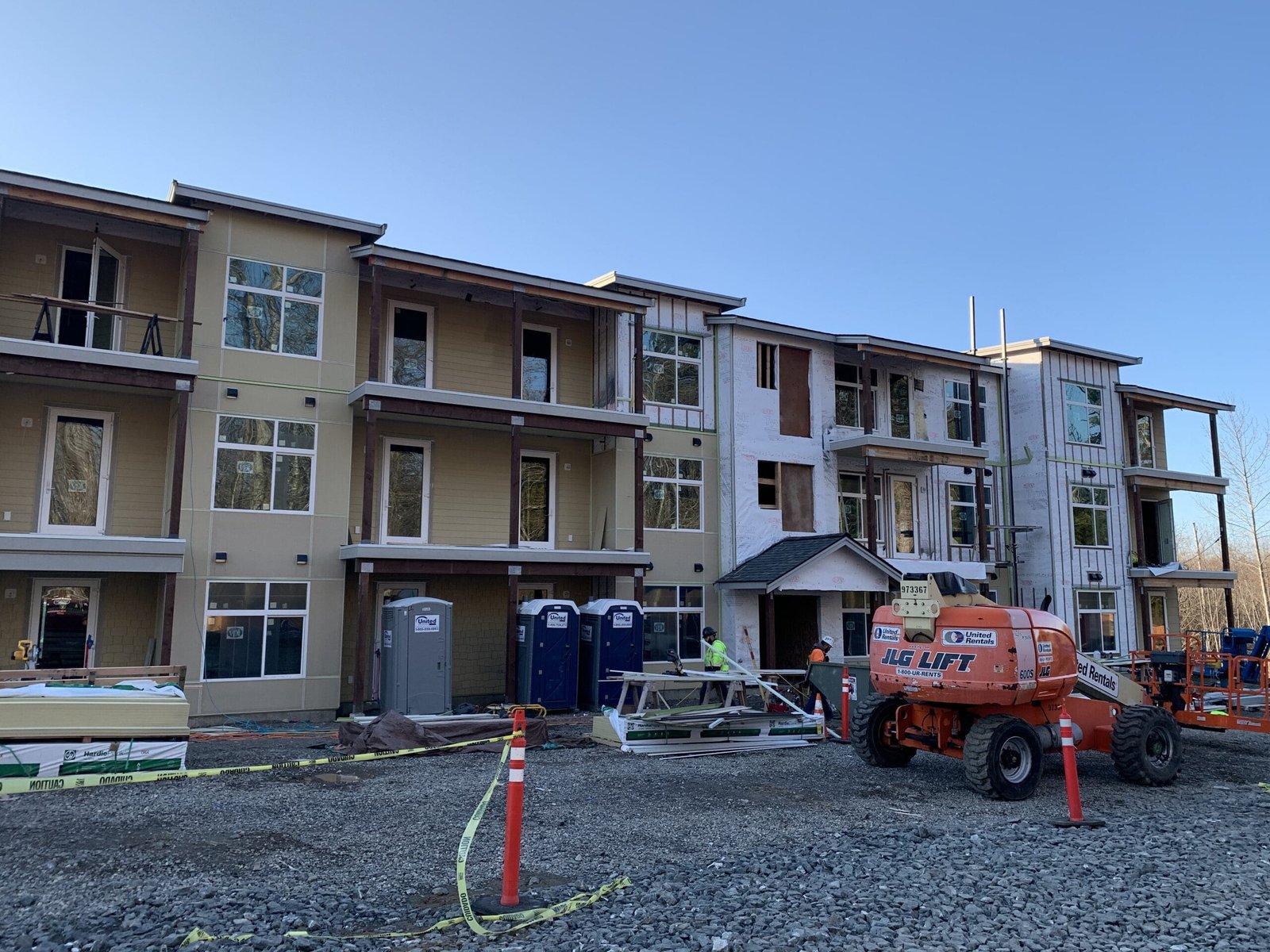
Arlington's weather is shaped by its position: it's low enough in the valley to catch the wind that funnels down from the Skagit flats and up from Port Susan, but close enough to the foothills of the North Cascades that winter can bring the occasional snow or ice event that coastal Puget Sound rarely sees. That combination changes what a good window installation actually needs to resist. It's less about the glass itself and more about the flashing and drainage details around it. A proper sill pan, correctly lapped house wrap, and sealant at the right layers – not just a bead of caulk around the trim – are what keep wind-driven rain from working its way behind the frame over a wet Pacific Northwest winter. This plays out on a lot of older homes: the window itself may have survived twenty-plus years just fine, but the wood framing around it didn't, because someone skipped the sill pan or relied on caulk alone.
Homes on shaded, north-facing lots – common on wooded lots around Arlington and out toward Sedro-Woolley and Stanwood – also tend to hold moisture longer after a storm, which shows up as moss and slow-drying trim around windows and along rooflines. That's more of a maintenance issue than a window-performance issue, but it's worth factoring into your choice of trim material and paint schedule if you're doing a full-frame replacement with new exterior casing.
Salt air is a real consideration for Alpine Exteriors' customers out on Camano Island and along the water near Anacortes and La Conner, where it accelerates corrosion on hardware and fasteners. Arlington itself is inland and doesn't see that same salt exposure, so it's not a factor you need to spend extra money guarding against here – a straightforward vinyl or fiberglass window with standard hardware holds up fine. What Arlington homeowners should actually plan for is wind and rain volume, plus the occasional freeze that can stress seals and hardware on older single-pane or early dual-pane windows that were never rated for today's energy code anyway.
Start by figuring out what you actually have. Walk the house and note which windows fog between the panes (a sign the seal has failed), which ones feel drafty at the frame in a windstorm, and which have soft or discolored wood at the sill or exterior trim. That tells you which windows are candidates for a simple insert replacement and which ones need a full-frame tear-out because of hidden water damage.
Next, decide on frame material with your actual exposure in mind rather than a general preference. A window on a wind-exposed west or north wall benefits from the tighter long-term seal of fiberglass or a well-built vinyl unit; a sheltered window on a covered porch has more flexibility. Ask any contractor you're considering, including Alpine Exteriors, to show you the NFRC label and confirm the U-factor meets the Washington State Energy Code's requirement for our climate zone before you sign anything.
Permits are not optional in most cases. Window replacement inside the existing rough opening is sometimes treated as minor work, but changing a window's size, adding a bedroom egress window, or doing full-frame replacement on multiple openings typically requires a permit from the City of Arlington or Snohomish County, depending on where the property sits. If you're altering or adding a bedroom window, the opening has to meet the state building code's egress requirements for minimum clear opening size and sill height – something worth confirming with your contractor and the local building department before glass gets ordered, since a non-compliant egress window is a real problem at resale.
Get bids from more than one contractor, and make sure whoever you hire carries an active Washington specialty contractor license and general liability insurance. Alpine Exteriors holds Washington contractor license ALPINI751OW; any licensed contractor's number can be verified on the Washington Department of Labor & Industries website, which is worth doing regardless of who you hire. Ask specifically how they handle sill pan flashing and house-wrap integration, not just what brand of window they sell – in this climate, the installation detailing matters as much as the product.
Finally, think about timing. Full-frame replacement exposes the rough opening to the weather for a period of hours per window, so scheduling that work during a drier stretch – typically summer into early fall – reduces risk versus doing it in the middle of a January storm cycle. Insert replacements are far less weather-sensitive and can reasonably be done most of the year.
| Frame material | Typical installed cost per window* | Best fit |
|---|---|---|
| Vinyl | $650 – $1,100 | Most homes; good value, low maintenance |
| Fiberglass | $950 – $1,600 | Wind-exposed walls, larger openings |
| Wood, clad exterior | $1,200 – $1,700+ | Period homes, higher-end remodels |
*Ranges are rough planning figures for a standard-size window with dual-pane, low-E glass; full-frame replacement, larger openings, and specialty shapes push toward the higher end or beyond it.
In most cases, yes, especially for full-frame replacement, any change to a window's rough opening size, or work that touches bedroom egress windows. Simple insert replacements that keep the exact same size and opening are sometimes handled with a lighter review, but the requirement depends on the specific scope and whether the property falls under City of Arlington or Snohomish County jurisdiction. Confirm with the local building department or your contractor before work starts rather than assuming it's exempt.
Snohomish and Skagit counties fall under climate zone 4C (marine) in the Washington State Energy Code, and the prescriptive path generally requires a whole-unit U-factor of 0.30 or lower for vertical windows in residential replacement work. Some projects can instead use a total building performance approach that trades off between different components of the building envelope, which can offer more flexibility for specific windows. Any window you install should carry an NFRC label showing its certified U-factor so you can confirm compliance.
Both perform well here when installed correctly. Vinyl is the more affordable, widely used option and holds up fine on most walls; fiberglass costs more but expands and contracts closer to the rate of the glass itself, which can mean a tighter long-term seal on walls that take more direct wind and sun. Arlington's inland location means you don't need to plan around salt air the way homeowners on Camano Island or near the water do, so the choice comes down more to budget and wind exposure than corrosion resistance.
A straightforward insert replacement of several windows is often a one- to two-day job once the windows themselves are on site, since lead time for ordering custom sizes is usually the longer wait – often several weeks. Full-frame replacement takes longer per window because of the exterior trim, flashing, and sill work involved, and a whole-house full-frame project can run several days to a couple of weeks depending on the number of openings and weather delays.
If you're weighing insert versus full-frame replacement, trying to figure out which rooms actually need new glass this year, or just want a straight answer on what the Washington State Energy Code requires for your Arlington home, Alpine Exteriors can walk the property with you and lay out the options in plain terms – no pressure to replace more than what actually needs it. As a licensed Washington contractor (ALPINI751OW) serving Skagit, Island and Whatcom counties along with the Arlington area, Alpine Exteriors can also handle the roofing, siding, deck or gutter work that often gets bundled into the same remodel. Reach out for a walkthrough and a written estimate before you commit to a frame material or a contractor.