
Darrington sits at the eastern edge of Snohomish County, tucked against the foothills of the North Cascades along the Sauk and Stillaguamish river valleys. That setting brings a different mix of demands than the flatter, more coastal towns Alpine Exteriors more commonly serves across Skagit, Island, and Whatcom counties — places like Mount Vernon, Anacortes, and Bellingham. Darrington sees heavier tree cover, higher annual rainfall than the lowlands, and periodic snow and ice at elevation, all of which put extra strain on a gutter system over time. Homeowners researching gutter installation cost in Darrington deserve a straightforward, regionally honest answer rather than a single number pulled from thin air. This guide walks through realistic price ranges, the variables that move them up or down, and what a trustworthy quote should actually contain.
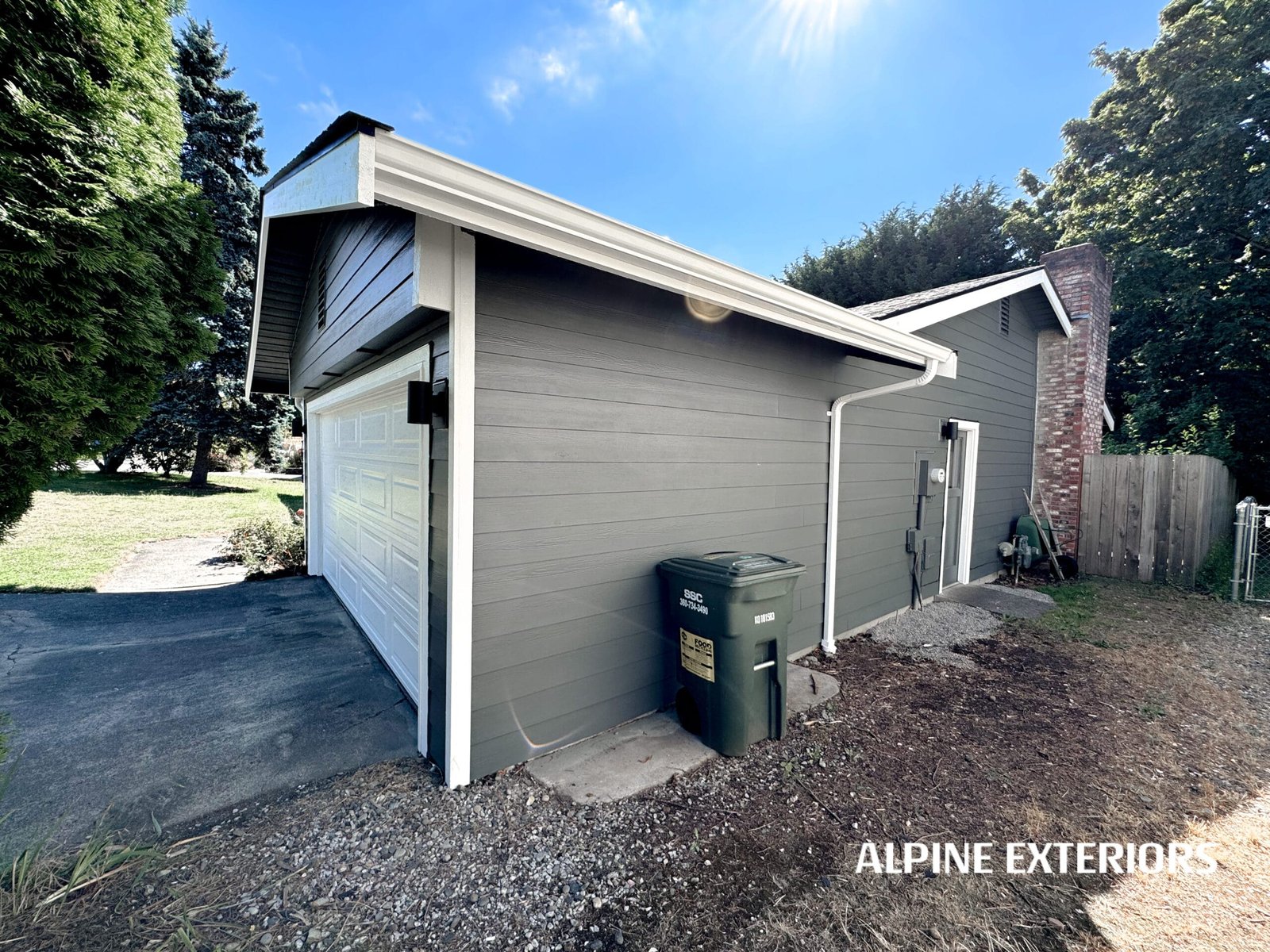
Most gutter installation projects in the Darrington area land somewhere between a modest single-story replacement and a larger, more complex home with steep pitches, multiple rooflines, and difficult access. The biggest swing factor is material, followed closely by how much linear footage the home actually needs and how the roof is shaped. A simple one-story home with straightforward rooflines and standard aluminum gutters will price out well below a two-story home with dormers, valleys, and a request for heavier-gauge steel or copper. Because Darrington homes often sit on wooded lots with longer driveways or sloped yards, access and staging time can also nudge the total higher than a comparable job on a flat, open lot in the Skagit valley.
The table below breaks out the main cost drivers homeowners ask about most, with broad low-to-high ranges. Treat these as a starting framework for a conversation with a contractor, not a quote — actual pricing depends on your specific roofline, material choice, and site conditions.
| Cost Factor | Typical Low End | Typical High End |
|---|---|---|
| Standard aluminum K-style gutter (per linear foot, installed) | Lower cost, thinner gauge, basic colors | Heavier gauge aluminum, custom color-matched |
| Steel or galvanized gutter (per linear foot, installed) | Mid-range, standard profile | Higher cost, heavier gauge for snow-load areas |
| Copper or specialty half-round gutter | Significantly above standard aluminum | Premium end of the range, custom fabrication |
| Downspouts (per downspout, including elbows) | One or two per corner, standard routing | Extended runs, underground drainage tie-ins |
| Gutter guards or leaf protection | Basic mesh or screen add-on | Solid-cover or reverse-curve systems |
| Old gutter removal and disposal | Straightforward tear-off | Damaged, painted, or multi-layer systems |
| Fascia or trim repair (if rot is found) | Spot repair, small sections | Full fascia board replacement, longer runs |
Two-story homes, steep roof pitches, and homes with multiple gables or valleys typically sit toward the higher end of any given range simply because they require more linear footage, more seams and corners, and more time on ladders or lifts.
Beyond the basic material and footage math, several conditions specific to Darrington and the surrounding foothills tend to shift pricing. Understanding them ahead of time helps a homeowner ask better questions and avoid surprises once a crew is on-site.
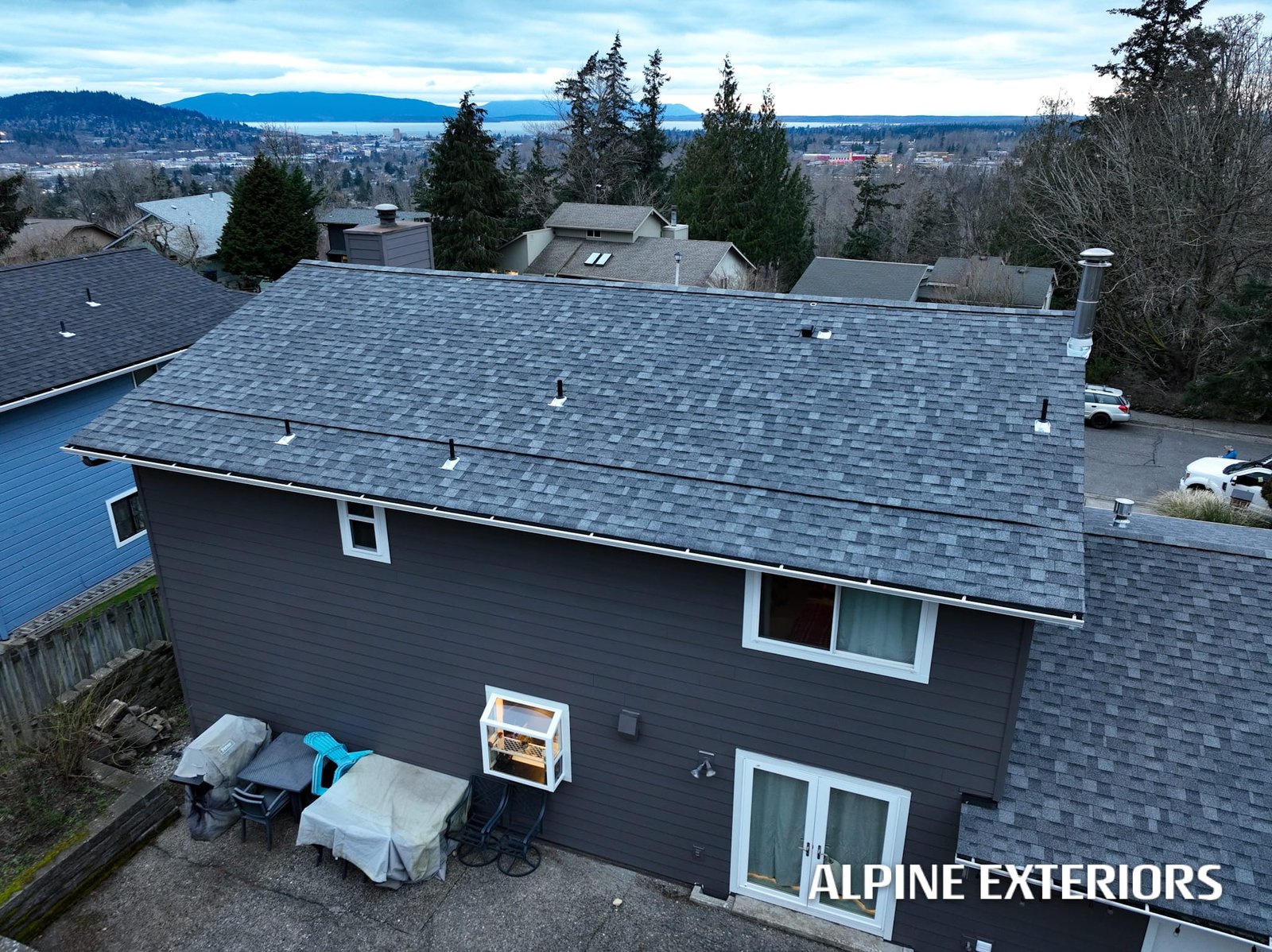
A gutter estimate that's little more than a single lump-sum number makes it hard to know what's actually being purchased. A complete, well-written quote from Alpine Exteriors or any reputable contractor should spell out enough detail that a homeowner can compare it line by line against another bid. At minimum, look for:
Because gutter pricing has so many moving parts, the best way to compare bids from different contractors is to make sure they're actually pricing the same job. A lower number is meaningless if it's based on thinner material, fewer downspouts, or wider hanger spacing than a competing bid. Before deciding, homeowners should:
Gutter replacement is generally treated as routine home maintenance rather than an emergency repair, so most homeowners pay out of pocket or use a contractor-offered financing plan if one is available, spreading the cost over several months rather than paying the full amount upfront. It's worth asking any contractor, including Alpine Exteriors, whether financing options are currently offered and what the terms look like before committing.
On the insurance side, homeowner's policies typically do not cover gutters that fail simply from age, clogging, or gradual wear — that falls under normal maintenance. Coverage is more likely to apply when damage results from a specific, sudden event, such as a windstorm strong enough to tear gutters loose or a falling tree limb, which does happen occasionally during winter storms that move through the foothills and river valleys around Darrington. If a storm event caused visible, sudden damage, it's reasonable to document it with photos and check with the insurance carrier before assuming the repair is entirely out of pocket. Separately, while the Washington State Energy Code primarily governs insulation, windows, and building envelope performance rather than gutters directly, proper drainage away from the foundation and crawl space is part of the broader moisture-management expectations that code-conscious builders in this wet climate take seriously, and it's a reasonable standard to hold a gutter installation to even where it isn't a strict code requirement.
Most single-story homes with a straightforward roofline can be completed in about a day, while larger homes with multiple rooflines, steep pitches, or fascia repair discovered along the way may take longer. Weather can also affect scheduling, since installation is easier and safer during a stretch of dry days, which can be less predictable in Darrington during the wetter months.
For homes surrounded by conifers and deciduous trees, gutter guards can meaningfully reduce how often gutters need to be cleared of needles and leaves, which matters given how quickly debris can build up on a shaded, tree-lined lot. They add to the upfront installation cost and aren't a substitute for occasional inspection, but many homeowners in heavily wooded parts of the service area find the reduced maintenance worthwhile over several years.
Yes, gutter installation can generally be done in winter, but persistent heavy rain and occasional snow or icy conditions at Darrington's elevation can slow scheduling or require the crew to wait for a safer weather window, particularly on steep roofs. It's not unusual for winter jobs to take a bit longer to schedule than the same job in drier months.
Properly sized, well-secured gutters with adequate downspout drainage can reduce standing water that contributes to ice formation during cold snaps, but gutters alone don't fully prevent ice dams, which are more closely tied to attic insulation and ventilation. A qualified contractor can look at the whole roof-and-gutter system together rather than treating gutters as an isolated fix.
Gutter installation cost depends on real, site-specific factors — roofline, material, access, and the condition of what's already there — not a one-size-fits-all number. Homeowners in Darrington and throughout the surrounding Snohomish County foothills can request an on-site evaluation from Alpine Exteriors to get a written, itemized quote that reflects their home's actual layout and conditions rather than a rough guess. Alpine Exteriors is licensed in Washington under contractor license ALPINI751OW and works with homeowners across Skagit, Island, and Whatcom counties as well as neighboring foothill communities, walking through material options, drainage needs, and realistic timelines before any work begins.