
If your existing window frames are square, solid, and free of rot, an insert (pocket) replacement is usually the faster and less invasive option. If the frames are out of square, water-damaged, or you're changing the window's size or opening a new one, full-frame replacement is the right call even though it costs more and takes longer.
Most homes in Mount Vernon, Anacortes, Burlington, Sedro-Woolley, La Conner, Stanwood, Camano Island and Bellingham fall into the first category if the windows are original builder-grade aluminum or early vinyl units from the 1980s-2000s and the surrounding wood trim and sheathing were never exposed to standing water. Alpine Exteriors evaluates both the sash and the framing during a walkthrough before recommending one path over the other, because guessing wrong means paying twice.
An insert replacement, sometimes called a pocket replacement, leaves your existing window frame, exterior trim, and interior casing in place. The installer removes the old sash and any operating hardware, then fits a new, slightly smaller window unit inside the existing frame and seals it with foam and sealant. Nothing is cut into the siding or the wall structure.
This approach works well across our region because so much of the housing stock, especially in Mount Vernon, Burlington and Sedro-Woolley subdivisions built from the 1970s through the 1990s, still has sound wood or aluminum frames that were never affected by the persistent winter rain we get from October through April. When the frame has stayed dry, there's no reason to disturb the siding or trim just to get a new sash.
The tradeoffs are real. Because the new window sits inside the old frame, the glass area shrinks slightly on every side, which can be noticeable on already-small windows in older Skagit farmhouses. An insert also does nothing to fix a frame that's already let water in behind the trim, which is common on west- and south-facing walls that catch wind-driven rain off the Skagit flats and the Strait of Juan de Fuca. If the old frame has hidden rot, sealing a new window inside it just traps the problem.
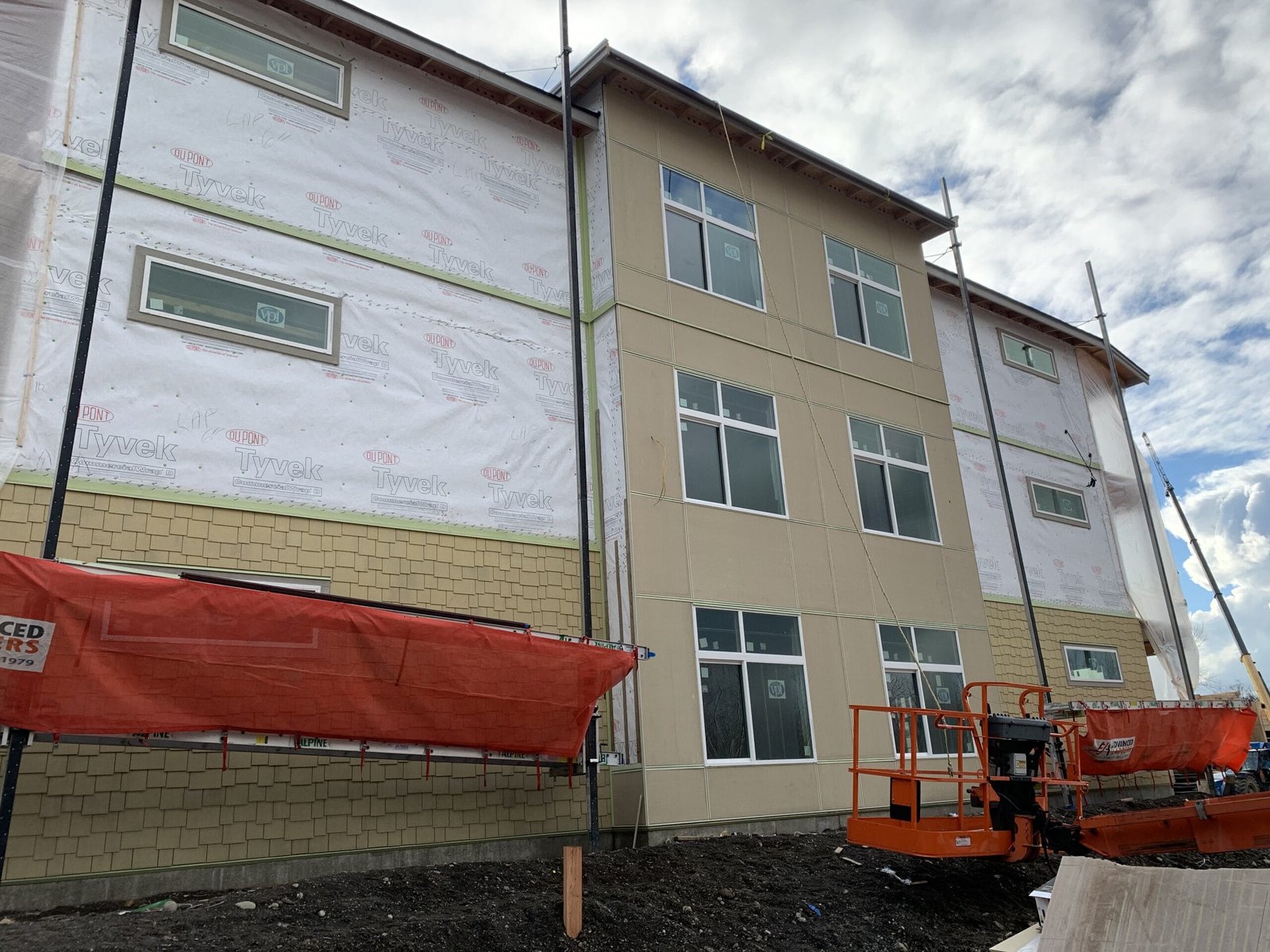
Full-frame replacement removes the entire old window, including the frame, down to the rough opening framing and, in many cases, some of the surrounding siding or trim. The installer then sets a brand-new frame, re-flashes the opening to shed water correctly, and reinstalls or replaces the exterior trim.
This is the only honest option when the existing frame is rotted, has been letting water into the wall cavity, or is racked out of square, all of which we see more often on homes near the water in Anacortes, La Conner and Camano Island, where salt-laden air accelerates corrosion on aluminum frames and fasteners, and on older farmhouses around Sedro-Woolley where wind-driven rain has worked past failing caulk for decades. It's also the right choice if you're resizing an opening, switching from a single large picture window to a combination unit, or bringing a very old, poorly insulated frame up to current performance expectations under the Washington State Energy Code.
Full-frame work costs more because it involves more labor, more materials, and often some siding repair or repainting around the new trim. It also means a longer job with more exposure of your wall to the weather during installation, which matters when you're scheduling around our wet season. Done correctly, though, it gives you a fully sealed, properly flashed opening built to current standards rather than a new window patched into old, potentially compromised framing.
Cost is the most obvious difference, but lifespan, maintenance and appearance matter just as much once the crew has left. The table below is a general reference; your estimator will confirm real numbers for your specific window sizes and site conditions.
| Factor | Insert (Pocket) Replacement | Full-Frame Replacement |
|---|---|---|
| Typical cost per window | Often lower — roughly $400-$900 depending on size and glass package | Higher — often $700-$1,500+ once flashing, trim and any siding repair are included |
| Lifespan | Glass and hardware last as long as a comparable new window (often 20-40+ years), but overall performance is capped by the condition of the old frame underneath | Resets the entire assembly, including flashing and the frame-to-wall seal, for the longest expected service life |
| Maintenance | Watch exterior caulk and paint near the old frame — hidden moisture issues can develop unseen | New flashing and sealant throughout mean less to monitor in the near term, though yearly caulk checks are still wise everywhere |
| Appearance | Glass area shrinks slightly since the new sash sits inside the old frame; trim profile stays the same | Trim profile, size and exterior color can all be updated; out-of-square frames can be corrected |
An insert window is typically less expensive per opening because labor time and materials are lower, though the exact number depends on window size, grade and how many openings you're doing at once. Full-frame work costs more per opening because of the added flashing, trim and sometimes siding work involved.
Lifespan comes down to what's underneath. An insert window's glass and hardware will last as long as any comparable new window, generally two to four decades depending on the product line, but its overall performance is capped by the condition of the old frame it's sealed into. Full-frame replacement resets the clock on the entire assembly, including flashing and the frame-to-wall seal, which matters most on exposed elevations that take the brunt of weather blowing in off the Strait or across open farmland near Stanwood and the Skagit flats.
Maintenance differences are subtle but worth naming. Insert windows can develop a hidden moisture problem behind the old frame that isn't visible until paint bubbles or trim goes soft years later, so homeowners who choose inserts should keep an eye on caulk lines and exterior paint on that specific window each fall before the rains set in. Full-frame installations, because the flashing and sealant are new throughout, tend to need less watching in the near term, though every window regardless of installation method benefits from a yearly check of exterior caulk given how much rain this region sees.
Appearance is where the two methods diverge most visibly from the street. Insert windows sit inside the existing frame, so the visible wood or vinyl surround stays the same width and profile as before, which keeps a consistent look on homes where you're only replacing some of the windows. Full-frame replacement lets you change the trim profile, update the exterior color, or correct a frame that was never quite square, giving a cleaner, more finished look, especially valuable on street-facing elevations in town settings like downtown Anacortes or La Conner where curb appeal carries more weight.
For most of the homes Alpine Exteriors sees across Skagit, Island and Whatcom counties, the decision comes down to frame condition more than budget alone. On inland homes in Mount Vernon, Burlington and Sedro-Woolley with dry, square, sound frames, insert replacement is a sensible, less disruptive way to upgrade to better glass and weatherstripping without opening up the wall. It's also a reasonable choice for interior-facing or upper-story windows on any of our sites that are harder to access and less exposed to driving rain.
On homes closer to the water, in Anacortes, La Conner, Camano Island and along the Whatcom County shoreline near Bellingham, we lean toward recommending full-frame replacement more often, because salt air accelerates corrosion on old aluminum frames and fasteners, and because wind off the Strait and Bellingham Bay drives rain into gaps that a simple insert won't address. The same is true for west-facing walls anywhere in the region that take the worst of our winter storms.
Foothill properties toward Sedro-Woolley and the areas that see occasional ice and light snow in colder snaps also tend to benefit from full-frame work when the existing frames are older single-pane or early dual-pane units, since a full-frame installation lets us properly air-seal and insulate the rough opening to current Washington State Energy Code expectations rather than working around whatever insulation, or lack of it, is already in the wall.
Ultimately there's no substitute for a physical inspection. Alpine Exteriors' estimators check for soft wood, staining, and square corners on every window before recommending insert or full-frame, and we'll tell you plainly when a cheaper insert isn't going to hold up rather than sell you the easier job.
Yes, and it's common. Many homeowners in Mount Vernon or Sedro-Woolley replace windows in phases, choosing insert replacement for dry, sound frames on protected elevations and full-frame replacement for the water-facing side of the house or any opening where the frame shows damage. Alpine Exteriors evaluates each window on its own condition rather than applying one method to the whole house by default.
Most current insert products meet Washington State Energy Code glazing requirements on their own, since the code addresses the window unit's performance rather than the installation method. What an insert can't fix is poor air sealing or insulation in the surrounding wall framing, which only full-frame work can properly address.
A straightforward insert replacement can often be done in under an hour per window, and a whole-house project of a dozen or more openings might wrap in a day or two. Full-frame replacement takes longer per opening because of the flashing, trim and possible siding work involved, and a comparable whole-house project can stretch to a week or more depending on crew size and weather delays during our wetter months.
Generally yes, though the gap varies by project. A single full-frame window on a wall with straightforward trim might cost only modestly more than an insert unit, while a full-frame job that requires new siding, extensive trim rebuilding, or structural repair to a rotted rough opening can cost considerably more. Getting a firm, itemized quote for your specific windows is the only way to know the real difference for your home.
If you're not sure which approach fits your home, that's exactly the kind of question worth answering before any wood is opened up. Alpine Exteriors, WA contractor license ALPINI751OW, serves Skagit, Island and Whatcom counties including Mount Vernon, Anacortes, Burlington, Sedro-Woolley, La Conner, Stanwood, Camano Island and Bellingham, and offers on-site window evaluations that check frame condition before recommending insert or full-frame replacement. Contact Alpine Exteriors to schedule a walkthrough and get a straightforward, itemized quote for your specific windows.