

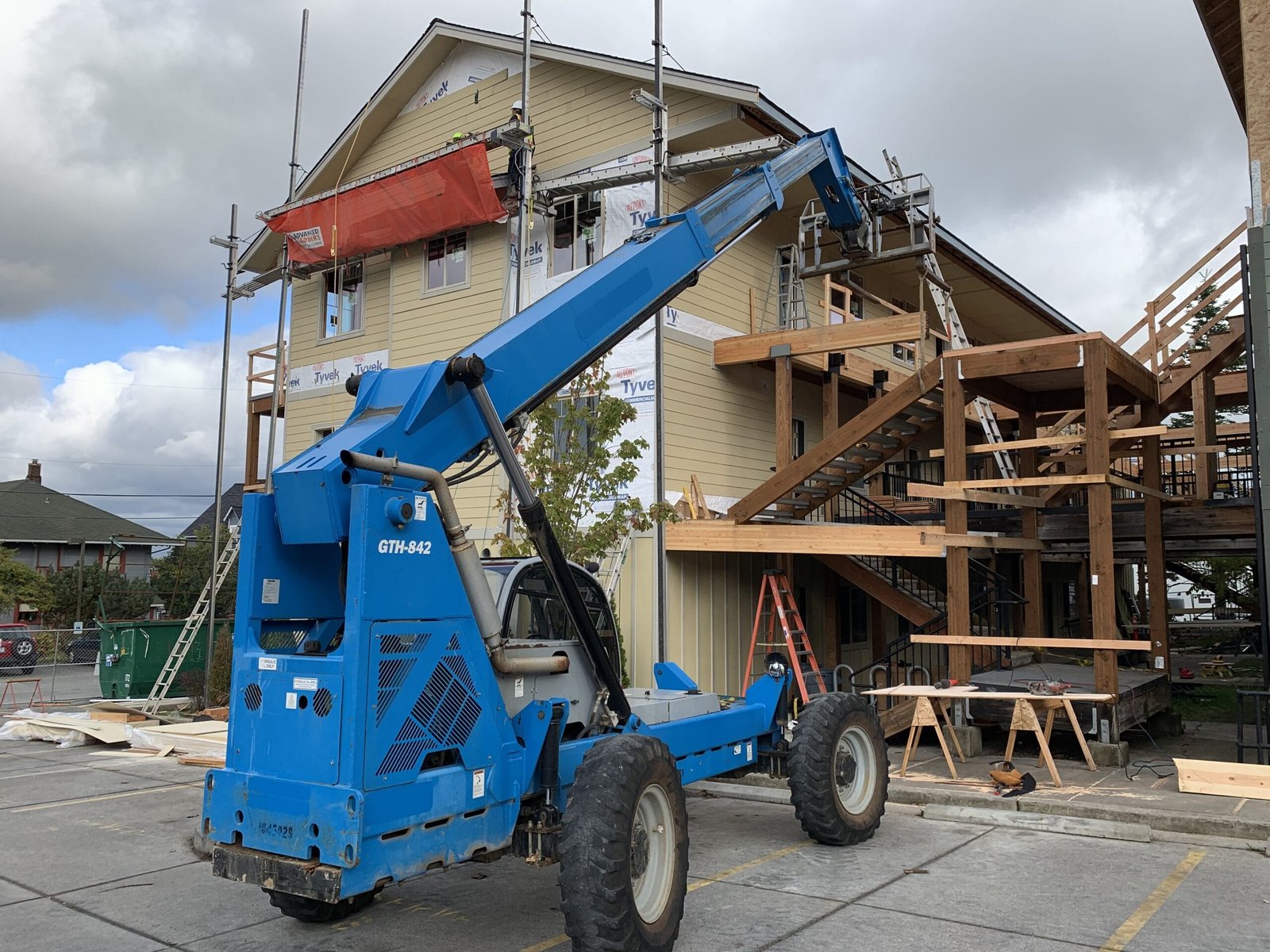
Deck ledger flashing is the metal and membrane detail installed where a deck's ledger board bolts to the house, and its job is simple: keep water from running down the wall and collecting behind the siding at that horizontal seam. When it's missing, installed wrong, or worn out, the ledger board and the rim joist behind it stay wet far longer than they should, and that's how attached decks quietly rot from the inside before anyone notices a problem from the outside.
This isn't a cosmetic detail. The ledger board carries the structural load of one entire edge of the deck, transferring it through bolts into the house framing. A ledger that's been sitting in trapped moisture for a few wet seasons can lose enough wood strength that the fasteners no longer have solid material to grip, which is a genuine safety issue and not just a maintenance nuisance.
A deck ledger board is the horizontal board lag-bolted or through-bolted directly to the house's rim joist. The deck's floor joists hang off it with metal joist hangers, so effectively the whole deck — people, furniture, snow load if it's a foothills property — pushes its weight through that one connection. Because the ledger sits flush against the exterior wall, it interrupts the siding and the water-resistive barrier (house wrap) right where rain naturally sheets down the wall.
Proper flashing addresses that interruption in a few layers. A metal flashing piece, usually bent to a Z or L profile, gets tucked up under the house wrap above the ledger and laps out over the top of the ledger board, so water hitting the wall is directed out and away rather than down behind the ledger. Many installations pair that with self-adhered membrane flashing tape at the seam between the ledger and the wall sheathing, and increasingly with a small gap — created by washers or specialized standoff hardware — between the back of the ledger and the siding, so any moisture that does reach that zone can actually dry out instead of sitting trapped against wood. Fastener choice matters too: mixing the wrong metals (say, plain steel lags with aluminum flashing) sets up corrosion that eats away at the connection from the inside, invisibly, for years.
The reason this detail gets skipped or done poorly more often than you'd expect is that it's covered up almost immediately — once the decking boards go down, nobody sees the ledger connection again unless they crawl underneath with a flashlight. A deck can look completely fine on top for a decade while the ledger behind the rim joist is quietly failing.
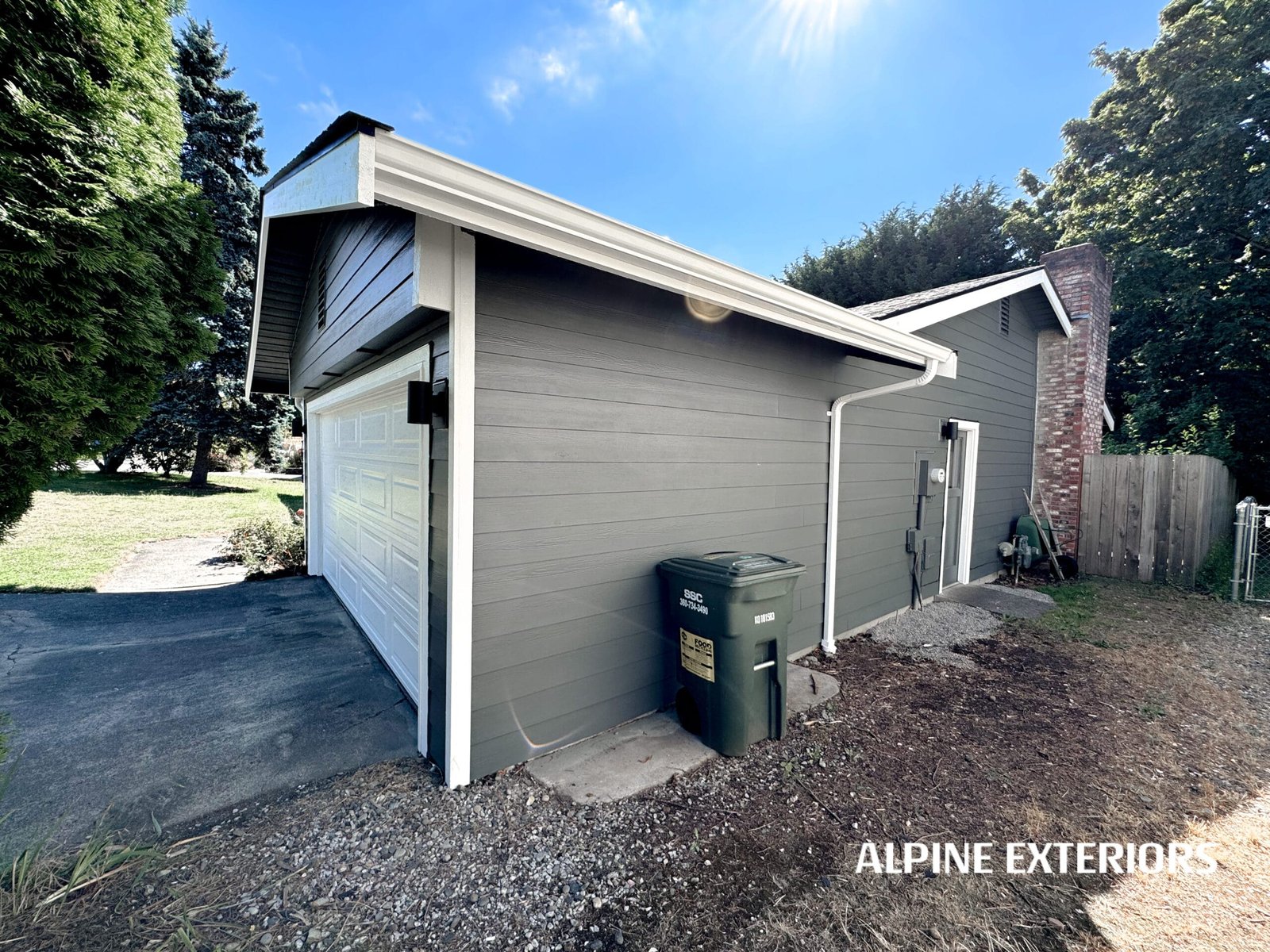
Skagit, Island, and Whatcom counties don't get hurricanes or the kind of storm-driven flooding some parts of the country plan for, but the year-round moisture load here is its own challenge, and it's a real one for ledger flashing specifically.
None of this means deck ledgers here fail constantly — most don't. But it does mean the margin for error on flashing quality is smaller than in a drier region, and it's why the Washington State Energy Code's attention to continuous water-resistive barriers and proper wall assembly detailing is genuinely relevant here, not just a box to check.
If you have an existing attached deck, especially one built more than 10-15 years ago or before local permitting tightened up ledger requirements, it's worth a look before assuming it's fine. From underneath the deck, check for water staining running down from the ledger, soft or spongy wood when pressed with a screwdriver, visible gaps or separation between the ledger and the siding above it, and any greenish or black staining that suggests standing moisture. If the ledger board flexes or the connection feels loose when you push on the deck rim, that's worth a professional look right away rather than a wait-and-see approach.
If you're building a new deck, insist on proper flashing as part of the plan rather than an afterthought — it's far cheaper to get right during framing than to retrofit later. A gap or standoff behind the ledger, correctly lapped metal or membrane flashing tied into the house wrap, and stainless or coated fasteners matched to your site's exposure (especially near salt air) are all worth asking about directly. Caulk alone at the ledger-to-siding joint is not a substitute for proper flashing — caulk degrades, cracks, and was never designed to be the only water barrier for a structural connection.
It's also worth checking your gutters. A gutter that's clogged, undersized, or missing above a deck ledger is one of the more common contributing causes we see locally — water that should be carried off the roof instead sheets straight down the wall and adds load right at the ledger flashing. Alpine Exteriors handles roofing, gutters, decks, and windows as one crew, which makes it easier to look at the whole water path on a house — roof, gutter, wall, and deck — rather than treating the ledger as an isolated repair.
The most reliable signs are visible from underneath the deck: water staining or dark streaks running down from the ledger board, soft or spongy wood when you press on it, gaps between the ledger and the siding, or a deck that feels slightly loose or springy at the point where it meets the house. Surface paint or staining on the decking itself usually won't show a problem until it's fairly advanced, so an underneath look is worth doing every year or two, especially on shaded decks.
Sometimes, but it depends on how the deck was originally built. If the ledger and siding are in good condition and there's enough access, a contractor can often remove a course of siding, install proper flashing behind and over the ledger, and reinstall the siding without touching the deck structure itself. If the ledger board has already rotted or the framing connection needs to be redone, it usually makes more sense to address the flashing while that structural work is happening rather than as a separate step.
Yes — attached deck ledger connections fall under the building code adopted locally in Skagit, Island, and Whatcom counties, which require proper flashing and a code-compliant fastening schedule for ledger-to-house connections, and a permit and inspection are typically required for new deck construction. Exact requirements can vary by jurisdiction and by how the wall was originally built, so it's worth confirming details with your local building department or a licensed contractor rather than assuming an older deck was built to current standards.
For a straightforward retrofit — removing a section of siding, installing flashing behind an existing sound ledger, and reinstalling siding — costs on a typical single-story home often land in the range of a few hundred to around a thousand dollars, depending on siding type and access. If the ledger board itself has rotted and needs replacement, or the deck framing needs partial rebuilding, costs run higher and are best scoped with an in-person inspection rather than a phone estimate.
If you're not sure what's happening behind your deck's ledger board, or you're planning a new deck and want the flashing done right the first time, Alpine Exteriors serves homeowners throughout Skagit, Island, and Whatcom counties — Mount Vernon, Anacortes, Burlington, Sedro-Woolley, La Conner, Stanwood, Camano Island, and Bellingham — and is licensed in Washington under contractor license ALPINI751OW. Reach out for an inspection of your existing deck or a quote on a new one built with proper flashing from the start.



